Culture in the classroom greatly impacts student learning and engagement. This article provides practical strategies to help teachers create a positive and inclusive classroom environment. You’ll learn about the key components and actionable steps for fostering respect, inclusion, and active participation.
Key Takeaways
Classroom culture significantly affects student engagement and learning outcomes, with a focus on respect, responsibility, and student voice being essential to its development.
Teachers play a crucial role in shaping classroom culture through their behaviors, expectations, and the physical environment, which collectively foster inclusivity and academic success.
Promoting psychological safety and viewing mistakes as learning opportunities creates an environment that encourages risk-taking and deeper engagement among students.
Understanding Classroom Culture
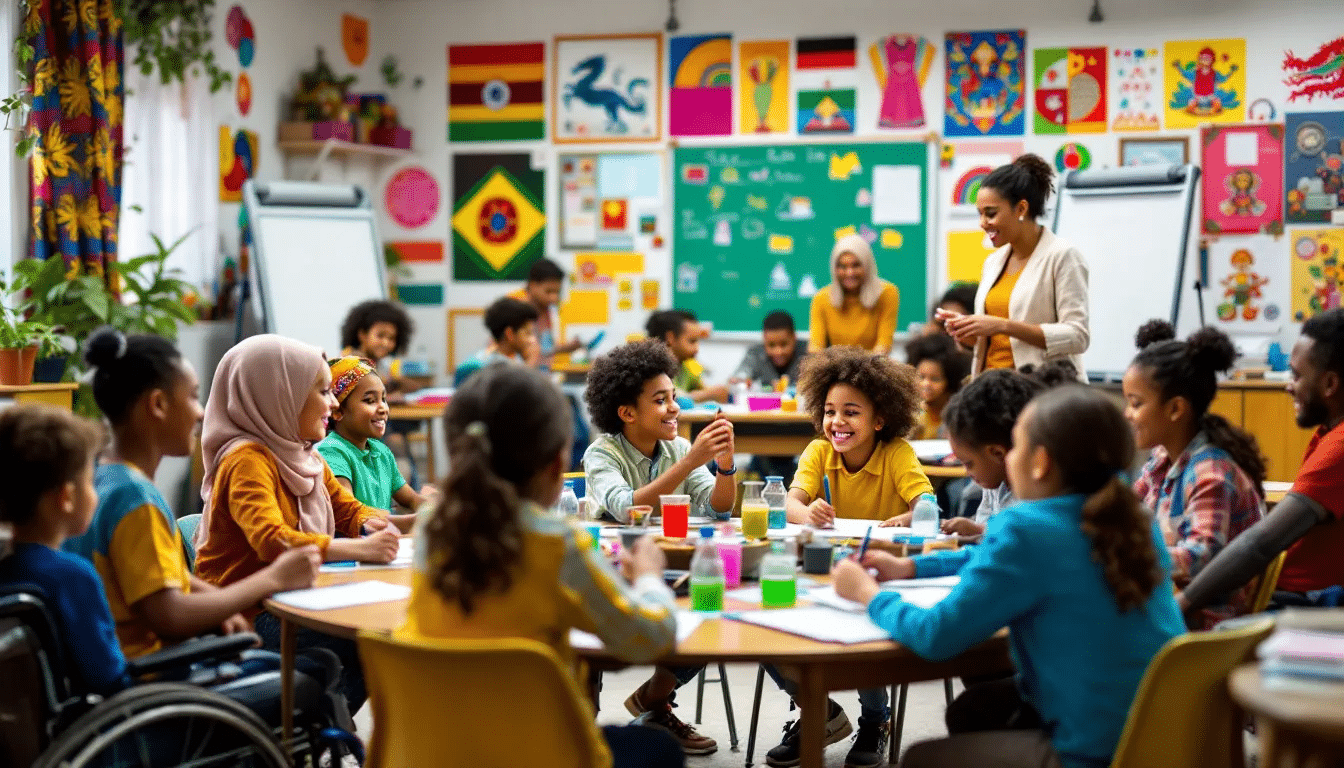
Classroom culture is a crucial element that significantly impacts student engagement and learning outcomes. It encompasses the behaviors, beliefs, practices, and physical environment that collectively shape the learning experience. A strong, positive classroom culture supports children’s social and emotional needs, facilitating their development and academic engagement. Teachers play a pivotal role in building or enhancing classroom culture through intentional changes and enhancements that foster a positive learning environment.
Understanding the dynamics of classroom culture is the first step toward creating a thriving educational setting. It involves recognizing the intricate interplay between various factors such as the teacher’s teaching style, student participation, and the overall classroom environment.
Teachers who are intentional and purposeful can foster a culture where students take ownership of their learning, resulting in extended active engagement in activities.
Defining Classroom Culture
Classroom culture is a macro-construct that includes shared values, behaviors, and beliefs that shape the learning environment over time. It involves a combination of factors such as the teacher’s ability, teaching style, students’ participation, and the physical environment.
A secure and inclusive classroom culture encourages student participation and fosters trust and respect among students.
Key Elements of a Positive Classroom Culture
A positive classroom culture is characterized by:
Respect
Belief in learners’ abilities
Shared responsibility
Student voice
Respect and belief in student abilities are foundational for creating a thriving classroom environment where students feel valued and motivated to engage in the learning process.
Valuing students’ voices and autonomy enhances their sense of responsibility towards learning, creating more effective and positive experiences.
Factors Shaping Classroom Culture

Several factors influence classroom culture, including the learners, teachers, classroom environment, materials, and relationships. Classroom culture can be seen as a macro-factor in the education process, impacting student learning and engagement. Environmental conditions, such as classroom layout and resources, play a significant role in shaping the overall classroom culture, affecting how students interact and engage with the material. When students feel responsible for their own learning and behavior, it contributes to a positive classroom culture that supports academic success.
Implementing strategies like those from the Berry Street Education Model can further support student readiness to learn. Understanding these factors helps teachers create an environment that fosters inclusivity, respect, and active participation, ultimately leading to a more effective and engaging classroom culture.
Teacher’s Role in Classroom Culture
Teachers play a crucial role in establishing and maintaining classroom culture through their language, responsibilities, and procedures. Their expectations significantly influence student performance, with high expectations leading to enhanced performance (Pygmalion Effect) and low expectations potentially decreasing performance (Golem Effect).
Embodying desired behaviors and modeling respect and responsibility creates a framework for students to emulate, fostering a positive classroom culture.
Student Demographics and Cultural Backgrounds
Recognizing and valuing the diverse backgrounds of students, including Asian students, is essential for building strong relationships and fostering inclusivity in the classroom. Factors such as ethnicity, skin color, religious beliefs, socioeconomic status, and language proficiency can significantly impact student engagement and participation.
Recognizing these dynamics allows teachers to create an inclusive environment where all students feel respected and valued, improving their chances of success.
Physical Classroom Environment
The physical layout and design of the classroom can significantly impact student engagement and interaction, contributing to a positive learning environment. An open layout encourages collaboration and fosters a sense of community among students. Flexible furniture arrangements and access to diverse learning materials cater to various instructional strategies and support self-directed learning.
A physically safe and accessible classroom is crucial for creating an inclusive and effective learning environment.
Building a Supportive Classroom Community

A supportive classroom community is essential for fostering student engagement and promoting a positive learning environment. Fostering inclusivity and ensuring all students feel included is critical for building a supportive classroom community. Providing opportunities for students to discuss their ideas and opinions enhances their sense of belonging and fosters a collaborative learning environment. Caring for and respecting students’ emotions is also crucial for establishing a supportive classroom culture where students feel both physically and psychologically safe.
A classroom that values positive relationships, active participation, and social-emotional learning helps students develop the skills needed for academic success and overall well-being. Focusing on these elements helps teachers build a classroom community that supports and nurtures every student.
Promoting Positive Relationships
Building positive relationships between teacher student relationships and students is one of the most important tasks educators face. Positive relationships between teachers and students lead to better academic, social, and emotional outcomes for students.
Involving students in creating classroom expectations enhances their accountability and promotes a sense of ownership. Consistent procedures help students navigate classroom expectations automatically, fostering stability and a predictable learning environment.
Encouraging Active Participation
Encouraging active participation in the classroom is essential for student engagement. Think-pair-share activities let students express their ideas in smaller settings before sharing with the whole class, promoting deeper thinking and richer discussions. Collaborative learning in small groups enhances engagement, and providing various modes of engagement ensures all students can participate in a way that suits their comfort level.
Techniques like hand signals and positive reinforcement further promote active participation and motivation.
Enhancing Social-Emotional Learning
Social-emotional learning is crucial for helping students manage their emotions and develop empathy. Modeling emotional intelligence demonstrates to students how to manage their emotions effectively. Incorporating emotional intelligence into lessons helps students develop better social skills and relate to others.
Treating mistakes as a natural part of learning encourages deeper engagement with the content and fosters resilience.
Psychological Safety and Its Impact on Learning

Psychological safety in the classroom is defined as a belief that it is safe to take interpersonal risks without fear of judgment. This sense of safety enhances learning, cooperation, engagement, and motivation among students. A psychologically safe classroom allows students to make mistakes, take risks, and seek help without fear of judgment. Teachers should aim to create high challenge, low threat environments to promote psychological safety and encourage student engagement.
Cross-cultural studies highlight the importance of psychological safety in various educational settings, showing a positive correlation between psychological safety and learning outcomes. Fostering a classroom culture that prioritizes psychological safety helps create an environment where students feel confident to explore new ideas and take academic risks.
Creating a Safe Space for Risk-Taking
Mutual respect and valuing student contributions foster a supportive environment for risk-taking. Teaching social-emotional skills through a purposeful classroom culture helps students succeed both in and out of school.
Students who feel safe taking risks and sharing ideas contribute to a more dynamic and engaging learning experience.
Addressing Mistakes as Learning Opportunities
Seeing mistakes as opportunities for growth and improvement develops resilience and a growth mindset among students. Offering regular feedback reinforces students’ contributions and boosts their confidence in participating.
Creating a classroom atmosphere where mistakes are viewed positively encourages students to take risks in their learning and engage more deeply with the content.
Strategies for Fostering Inclusion and Diversity

Fostering inclusion and diversity in the classroom is essential for creating a positive learning environment where all students feel valued and respected.
Teachers should incorporate a range of diversities in their instruction, including:
race
ethnicity
religion
economic status
sexual orientation
gender identity
language background
Understanding and embracing the changing demographics is crucial for promoting inclusivity and preparing students for a diverse society.
Teachers can promote diversity and multiculturalism through a responsive classroom environment and curriculum, which has both immediate and long-term benefits for students. Integrating culturally responsive practices and establishing norms that respect diversity creates an inclusive classroom environment, enhancing students’ sense of identity and promoting success for students from diverse backgrounds.
Incorporating Students’ Cultural Backgrounds into Lessons
Integrating students’ cultural backgrounds into lessons enhances their understanding of the material and makes learning more relevant. Connecting academic instruction to students’ prior knowledge and experiences is crucial for effective teaching.
Using stories and guest speakers can help students grasp the complexities of diverse abilities and challenges, enriching the learning experience. Inclusive lessons ensure all students feel valued and engaged in the learning process.
Engaging with Families and Communities
Involving families and the school community in the educational process fosters connection and support, enriching the classroom culture. Inviting families to participate in classroom activities and maintaining open communication with parents ensures better support and understanding of diverse students’ needs.
This involvement enhances the overall classroom experience and promotes a positive learning environment.
Effective Classroom Management Techniques
Effective classroom management creates a positive learning environment that supports student engagement and academic success. Teachers can promote inclusivity by establishing clear classroom norms that emphasize respect and kindness. Frameworks like Positive Behavioral Interventions and Supports (PBIS) help manage behaviors and create a structured, supportive environment.
Functional Behaviour Assessments address specific behavior issues, ensuring that all students’ needs are met. Well-defined classroom procedures, including routines for using materials and understanding processes, create a predictable and organized classroom environment.
Preparation for unexpected changes during teaching maintains a positive and productive learning environment.
Establishing Clear Expectations
An orderly, consistent, and predictable environment is key to a positive classroom culture. Low-level disruptive behavior can cause frustration and stress for teachers, making it essential to establish clear expectations for behavior. Teachers should emphasize responsibilities that highlight positive actions instead of focusing on rules.
Anchor charts for procedures and involving students in creating expectations help reinforce responsibilities and promote a sense of ownership. Recognizing that responses to rewards and sanctions vary based on individual context is important for effective behavior management.
Consistency in Rules and Procedures
Consistency in applying classroom rules and procedures creates a stable and predictable learning environment. Systematized classroom procedures occur automatically, reducing confusion and increasing efficiency in classroom management.
Consistent rules help students understand expectations and focus on learning rather than navigating unpredictable environments. This consistency ultimately enhances the overall educational experience and fosters a positive classroom culture.
Using Positive Reinforcement
Positive reinforcement is a powerful strategy for encouraging desired behaviors and fostering a love for learning. Providing rewards or positive feedback reinforces positive behaviors, making them more likely to occur.
Positive reinforcement of responsibilities leads to increased student engagement and motivation. Overall, positive reinforcement plays a crucial role in shaping a positive classroom culture and promoting active participation in learning.
The Role of Teachers in Modeling Positive Behavior
Teachers play a pivotal role in shaping student behavior through their own actions and attitudes. Demonstrating self-regulation and positive actions significantly influences student behavior, establishing a foundation for a positive classroom culture. When teachers model desired behaviors, it creates a framework for students to emulate, fostering a respectful and responsible learning environment.
Leading by example sets the tone for the classroom, encouraging students to replicate positive behaviors.
Demonstrating Emotional Intelligence
Emotionally intelligent teachers better support diverse students by managing their own emotions and understanding others’. Expressing emotions authentically provides valuable teaching and learning opportunities, helping students learn to label their feelings appropriately.
Modeling emotional intelligence creates a supportive learning environment that fosters social-emotional development and enhances student engagement.
Leading by Example
Leading by example helps establish new group norms within the classroom. Teachers demonstrating desired behaviors encourage students to follow suit, creating a positive classroom culture where students feel motivated to replicate these actions.
By modeling positive behaviors, teachers can cultivate an environment that supports effective learning and fosters a sense of community and collaboration in positive learning environments.
Summary
Creating a positive classroom culture involves a multifaceted approach that includes understanding the factors that shape classroom culture, building a supportive classroom community, fostering psychological safety, and implementing effective classroom management techniques. Teachers play a crucial role in this process by modeling positive behaviors, demonstrating emotional intelligence, and leading by example. By incorporating students’ cultural backgrounds into lessons and engaging with families and communities, teachers can foster inclusion and diversity, creating an environment where all students feel valued and respected.
In conclusion, a positive classroom culture is essential for promoting student engagement, academic success, and overall well-being. By being intentional and purposeful in their efforts, teachers can create a thriving educational setting that supports every student’s growth and development. Let’s embrace these strategies and work together to create classroom environments that inspire and empower our students to reach their full potential.
Frequently Asked Questions
What is classroom culture?
Classroom culture is defined by the shared values, behaviors, and beliefs that influence the learning environment, shaped by the teacher’s approach, student engagement, and the physical setting. A positive classroom culture fosters effective learning and collaboration.
How can teachers promote a positive classroom culture?
Teachers can effectively promote a positive classroom culture by modeling positive behaviors, setting clear expectations, implementing positive reinforcement, and fostering an inclusive and supportive community among students. This approach not only enhances student engagement but also cultivates a respectful learning environment.
Why is psychological safety important in the classroom?
Psychological safety is crucial in the classroom as it enables students to take risks and seek help without fear of judgment, thereby fostering a conducive environment for learning and engagement. Ultimately, this enhances their motivation and cooperation, leading to more effective educational outcomes.
How can teachers incorporate students’ cultural backgrounds into lessons?
Teachers should connect academic instruction to students’ prior knowledge and experiences, utilize stories and guest speakers, and create lessons that reflect inclusivity and relevance to all students. This approach not only enriches the learning environment but also validates the diverse cultural backgrounds of each student.
What are some effective classroom management techniques?
Establishing clear expectations and maintaining consistency in rules and procedures are essential for effective classroom management. Additionally, utilizing positive reinforcement can significantly encourage desired behaviors among students.