Want to create a happy classroom where students feel engaged and supported? This article offers practical tips to help you build a positive and inclusive learning space, fostering both emotional wellbeing and academic success.
Key Takeaways
Building strong relationships and fostering an inclusive environment significantly enhances classroom happiness and engagement.
Encouraging a growth mindset by celebrating mistakes fosters resilience and boosts motivation among students.
Integrating mindfulness and student voice into daily lessons creates a dynamic learning atmosphere that supports wellbeing and creativity.
Building Positive Relationships

Strong relationships in the classroom lay the foundation for improved academic performance and emotional wellbeing, putting teachers in good stead. When teachers establish trust and respect with their students, they create a more engaging and dynamic learning environment where students learn. This trust fosters open communication, allowing students to express their thoughts and feelings freely, which, in turn, enhances their sense of belonging and community.
Recognizing student efforts rather than just outcomes encourages deeper engagement with the learning process. Celebrating small victories and the hard work involved boosts students’ self-confidence and motivation. Gratitude journals encourage students to reflect on positive experiences, promoting a more optimistic classroom atmosphere.
Moreover, fostering positive peer relationships is crucial for creating a sense of community in the classroom. Activities like Classroom Kindness Bingo can be a fun and engaging way to promote positivity among students. When students feel supported by their peers, their overall happiness and engagement in school increase significantly.
Creating a Safe and Inclusive Environment

Celebrating the diverse backgrounds and cultures of students is vital for promoting an inclusive classroom atmosphere. When students see their identities reflected and respected in the classroom, they feel valued and safe, which is essential for their happiness and self-confidence. Educators can create this inclusive environment by incorporating cultural celebrations, diverse reading materials, and open discussions about different backgrounds and experiences.
Challenging biases within the classroom promotes equity and fairness. Regularly reviewing classroom policies to ensure inclusivity and fostering an environment where students feel comfortable sharing their experiences can achieve this. Inviting student feedback on policies shows students that their opinions are valued, leading to a more inclusive environment.
Recognizing patterns of social interaction among students can help identify those who may feel isolated or bullied. By being vigilant and proactive, teachers can intervene early and provide the necessary support to those students, ensuring that everyone feels included and valued in the classroom community.
Celebrating Mistakes as Learning Opportunities
Encouraging students to view mistakes as growth opportunities helps them develop resilience and a growth mindset. When students understand that errors are a natural part of the learning process, they are more likely to embrace challenges and persist in the face of setbacks. This shift in perspective can significantly improve their motivation and engagement in school.
Teaching children to view mistakes as essential for personal growth improves motivation and engagement in school. Strength-based teaching emphasizes students’ unique skills and abilities, helping them overcome challenges more effectively. Focusing on what students do well builds their confidence and encourages them to tackle difficult tasks with a positive attitude, placing them in a prime position for success.
Problem-solving exercises and reflective discussions foster resilience, enhancing students’ emotional health and academic performance. Learning to bounce back from setbacks equips students to handle future challenges, creating a more positive and resilient learning environment.
Integrating Positive Psychology into Daily Lessons
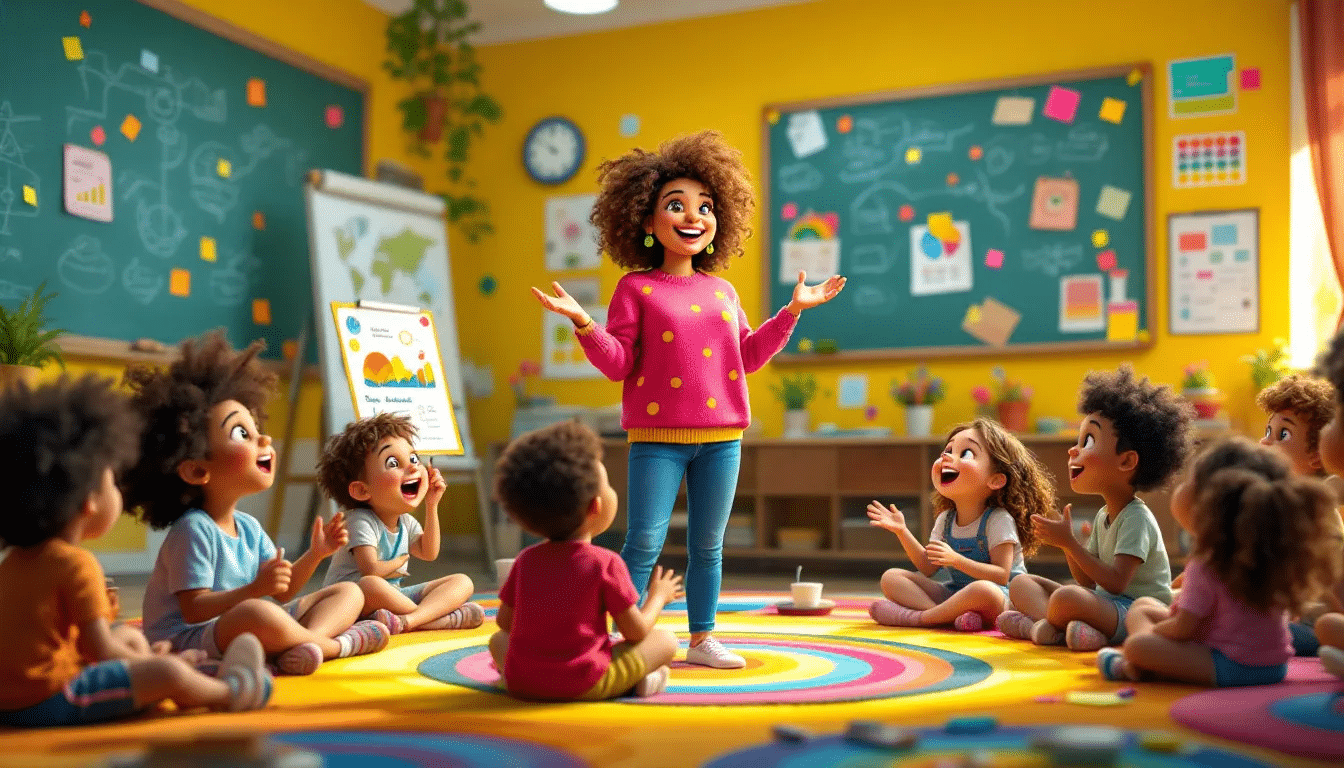
Positive psychology principles, when integrated into daily lessons, can significantly enhance students’ overall happiness and engagement. By focusing on activities that promote joy, gratitude, and mindfulness, teachers can create a more positive and productive classroom environment. These practices not only improve students’ emotional wellbeing but also their academic performance.
Deep breathing exercises and guided meditations enhance student engagement and creativity. These activities help manage stress and maintain focus, enabling a calm and clear approach to lessons. Integrating these practices into daily routines normalizes them, making them an integral part of the classroom experience.
Twinkl’s Conflict Resolution Posters foster a positive environment by educating students on resolving disputes. Teaching effective conflict resolution skills reduces tension and promotes a more harmonious classroom atmosphere. These posters serve as constant reminders of the importance of maintaining positive relationships and handling conflicts constructively.
Encouraging Student Voice and Choice
Implementing student voice practices in the classroom encourages active learning and engagement. When students are given opportunities to express their ideas and preferences, they feel more motivated and connected to their learning. This ownership leads to higher engagement levels and a more personalized learning experience.
Collaborative decision-making allows students to take ownership of their learning environment. Involving students in decisions about classroom activities, rules, and policies creates a more democratic and inclusive atmosphere. This approach increases student engagement and fosters responsibility and accountability.
Positive emotions contribute to increased engagement and creativity in learning. When students feel happy and valued, they participate actively and think creatively. Encouraging student voice and choice is a powerful way to cultivate these positive emotions and create a more dynamic and engaging classroom.
Promoting Wellbeing Through Movement and Mindfulness

Incorporating mindfulness practices significantly improves students’ ability to manage stress and focus on studies. Simple breathing exercises and gentle stretches can calm students and enhance concentration at the beginning of lessons. These practices support emotional regulation, allowing calm responses in stressful situations.
Guided meditations promote relaxation and reduce anxiety among students. These meditations help clear minds and prepare for the day ahead, leading to a more focused and productive learning experience. Utilizing technology, such as mindfulness apps, can make these practices more accessible and engaging for students.
Routines that incorporate mindfulness practices normalize these techniques in the classroom. Making mindfulness a regular part of the school day helps students develop habits that support their overall wellbeing. This holistic approach to education not only enhances academic performance but also fosters a healthier and happier classroom environment.
Practical Resources for Teachers
Twinkl offers a variety of educational materials to enhance classroom engagement. From interactive games and digital resources to classroom décor and activities, Twinkl provides tools that cater to various teaching strategies and learning preferences. These resources can help teachers create a more dynamic and engaging classroom environment.
The Recipe for a Happy Classroom poster is a creative tool that teachers can customize to instill classroom rules and values. It serves as both décor and a constant reminder of guiding principles. Students can engage with the poster by creating their own ingredients and color template, making it a fun and interactive activity.
Practical ideas for embedding wellbeing in the classroom are essential for creating a positive learning environment. Incorporating activities that promote joy, gratitude, and mindfulness enhances students’ overall happiness and intrinsic happiness and engagement. These ideas can be easily integrated into daily lessons, making them a seamless part of the classroom experience.
Surveying Happiness Scores and Feedback
Feedback mechanisms like surveys are invaluable for adapting teaching styles and classroom policies to better meet student needs. Regularly assessing happiness scores enables educators to pinpoint areas of improvement in the classroom environment. Understanding how students feel allows for timely adjustments to create a more supportive and engaging learning atmosphere.
Anonymity in surveys encourages honest responses, leading to more accurate data for improving the classroom experience. When students know their feedback is confidential, they are more likely to share their true feelings and concerns. This honest feedback is crucial for identifying and addressing issues affecting students’ happiness and engagement.
Regularly surveying happiness scores and feedback allows teachers to continuously improve the classroom environment, ensuring it remains a positive and inclusive space for all students. This ongoing process of evaluation and adjustment is key to maintaining surveyed reported happiness scores and a happy and productive classroom.
Summary
In summary, cultivating a happy classroom involves building positive relationships, creating a safe and inclusive environment, celebrating mistakes as learning opportunities, and integrating positive psychology into daily lessons. Encouraging student voice and choice, promoting wellbeing through movement and mindfulness, and utilizing practical resources are also essential strategies. Regularly surveying happiness scores and feedback ensures continuous improvement and adaptation.
By implementing these tips, teachers can create a classroom environment that fosters joy, resilience, and engagement. Remember, a happy classroom is not just about academic success but also about nurturing the overall wellbeing of each student. Let’s strive to create classrooms where students feel valued, supported, and inspired to learn.
Frequently Asked Questions
Why are positive relationships important in the classroom?
Positive relationships in the classroom enhance academic performance and emotional wellbeing by building trust and open communication. By nurturing these connections, you’re setting the stage for a supportive and engaging learning environment.
How can teachers create a safe and inclusive environment?
To create a safe and inclusive environment, teachers should celebrate diverse backgrounds, challenge biases, and actively invite student feedback. By doing this, you empower every student to feel valued and heard.
What is the benefit of celebrating mistakes as learning opportunities?
Celebrating mistakes as learning opportunities fosters resilience and a growth mindset, which ultimately boosts motivation. Embrace your errors and watch yourself grow!
How can mindfulness practices benefit students in the classroom?
Mindfulness practices can significantly enhance students’ stress management, focus, and emotional resilience, leading to a more positive and productive classroom experience. Embracing these techniques will empower you to thrive both academically and personally!
What resources are available for teachers to enhance classroom engagement?
Twinkl offers a wealth of resources like interactive games and customizable posters to help you create an engaging and positive classroom environment. Explore these tools to boost your classroom’s energy and enhance student participation!