As a supply teacher, stepping into an unfamiliar classroom can be challenging. You’re expected to manage the class, teach effectively, and leave a positive impression—all without the usual preparation time. In this article, you’ll find top tips for supply teachers that will help you navigate these challenges and succeed in any classroom setting.
Key Takeaways
- Arriving prepared and familiarizing yourself with the school environment helps set a positive tone for the day.
- Building rapport with students through name recognition and appropriate humor is key for effective classroom management.
- Maintaining professionalism and leaving detailed notes for the returning teacher ensure a smooth transition and increase chances of re-booking.
Arriving Prepared

Arrive early minutes early is one of the top tips for supply teachers as it sets a positive tone for the day. This extra time allows you to:
- Familiarize yourself with the school’s layout
- Locate key areas like the staff room and assembly hall
- Understand the classroom environment before students arrive
- Check the staff notice board for updates to stay informed about any changes. Early a great tip is to ensure you make the most of this time.
Being well-prepared ensures your supply booking runs smoothly. Key preparation steps include:
- Checking for pre-set work left by the class teacher to understand the day’s agenda.
- Having your own ready-made lessons available, especially for last-minute bookings.
- Preparing these lessons in the school’s usual style to ease the transition for students.
Additionally, setting up the classroom before the students arrive can create a welcoming and organized learning environment, just the way small actions like arranging seating arrangements or preparing materials can make a big difference in how the day unfolds.
Arriving prepared demonstrates professionalism and organization, crucial for gaining the respect of both staff and students.
Building Rapport with Students
Building rapport with students is vital for effective classroom management and fostering a positive learning environment. One of the first steps in supply teaching is to quickly learn students’ names. This helps in several ways:
- It aids in managing the classroom.
- It shows the students that you care about them as individuals.
- A simple name game can break the ice.
- It can make half the class feel more comfortable right away.
Appropriate humor can create a relaxed classroom atmosphere, helping to establish a connection. A well-timed joke or light-hearted comment can make students feel at ease. However, balancing humor with firmness is important to maintain respect, especially when entering a classroom with an established routine.
Recognizing and praising positive feedback behaviors can encourage students to emulate those actions. Positive reinforcement goes a long way in creating a supportive classroom environment. Connecting with students on a personal level and fostering mutual respect sets the stage for a productive and enjoyable school day.
Understanding Class Routines
Following established classroom routine is vital for maintaining structure and consistency. Familiarize yourself with the daily timetable stuck, behavior rules, and seating plans to enhance classroom management. This helps students adjust quickly and ensures their learning environment remains consistent even in the absence of their regular teacher. Additionally, it is important to check class routines.
Consulting teaching assistants can provide valuable insights into class routines, including bathroom rules and support for students with specific needs. Following these routines reassures students and helps maintain a structured learning environment. Adhering to the usual routine demonstrates respect for established norms and makes the transition smoother for everyone involved.
Effective Behavior Management
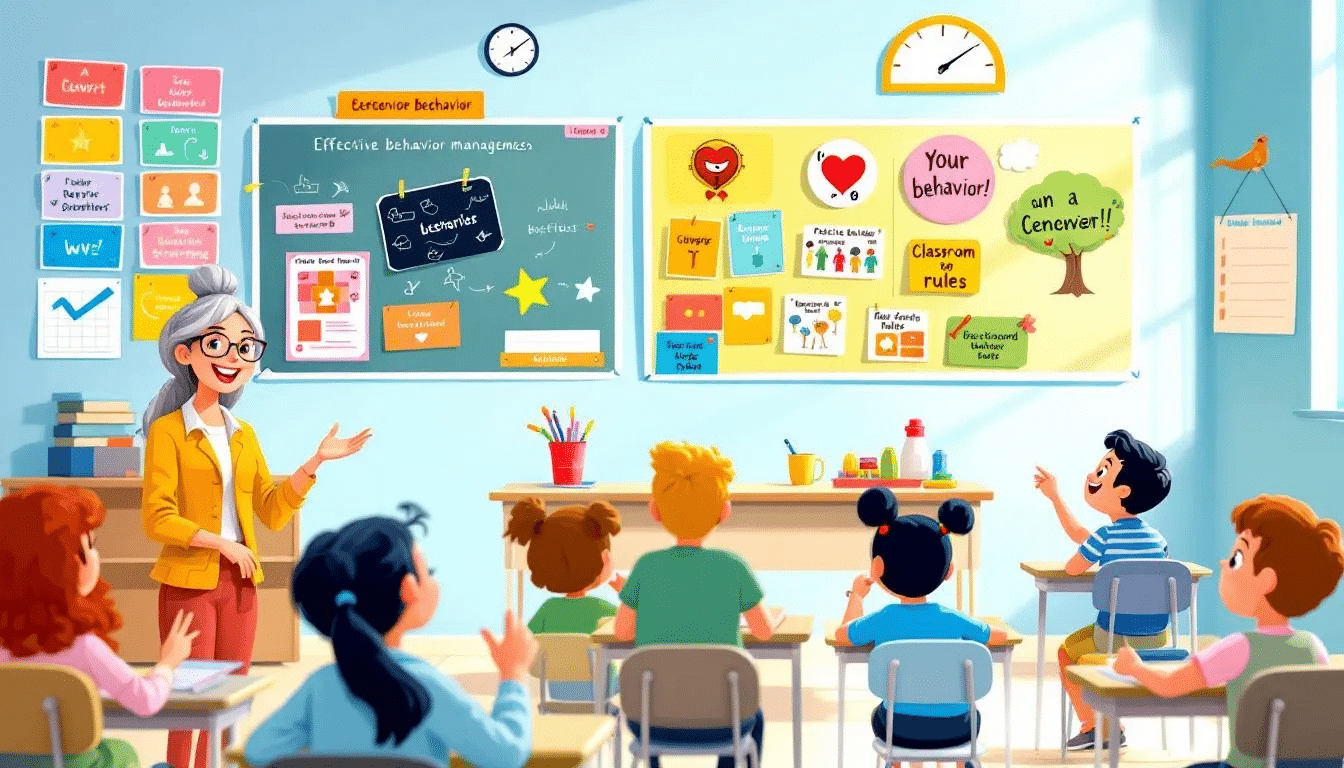
Effective Behaviour Management is crucial for maintaining a positive learning atmosphere. To manage the classroom more effectively, you should:
- Familiarize yourself with the school’s behavior policy, including rules and procedures for handling challenging behavior.
- Use this knowledge to establish authority.
- Apply the policy to manage the classroom more effectively.
A firm but fair realistically approach is key when dealing with pupil behavior issues, including challenging behaviour. Students may test boundaries with a substitute teacher, so being clear and consistent in your expectations is important. Resources like Twinkl’s behaviour management resource can provide additional support and strategies in line with the school’s behaviour policy.
Praising positive behavior is another effective strategy. Both public and private praise can reinforce good behavior and encourage students to continue acting appropriately. Combining these techniques can create a classroom environment where students feel respected and are motivated to behave well.
Utilizing Personal Resources
To prevent disruptions during lessons and be well-prepared, consider the following:
- Bring personal supplies like spare pens and pencils, taking spare pens into account, and make sure to have your own pens ready.
- Be prepared for any eventuality, especially if the regular teacher hasn’t left enough materials.
- Confirm the availability of necessary resources before lessons begin to avoid last-minute panics.
Organising folders of Key-Stage resources and ready-made lessons is another valuable tip for supply teachers. Websites offering free lesson plans and worksheets can also be a lifesaver. Utilizing these personal age appropriate resources ensures you’re always ready to organise folders and provide engaging and effective lessons, regardless of the circumstances.
Engaging Time Fillers
Unexpected downtime can be a challenge, but having engaging time fillers ready can keep students focused and entertained. Quick games or interactive activities are great for maintaining student engagement. Educational puzzles or trivia can be both fun and educational, reinforcing learning in an enjoyable way.
Physical activities, like quick team games or movement breaks, can help refocus students’ energy and attention. For different primary stages, visual arts activities such as drawing or crafting can serve as enjoyable break times that also stimulate creativity.
Simple storytelling or reading sessions can be effective for filling time while promoting literacy skills. Having these activities prepared ensures that spare time is both productive and enjoyable for the students.
Handling Additional Responsibilities
Handling additional responsibilities is an important aspect of the supply teaching role. Checking for any additional supervision responsibilities, such as break duty, ensures the school day runs smoothly. Volunteering for playground duty can also be beneficial, helping you become known and liked by students in supply work teaching.
Engaging with other teachers and school staff can provide valuable insights into class behavior and routines, making your job easier. Expressing appreciation to staff members before departing fosters good relationships and enhances your reputation.
By handling these additional responsibilities effectively, you can contribute to a positive school environment and increase your chances of being re-booked for future assignments.
Leaving Detailed Notes
Leaving comprehensive notes for the returning teacher is crucial for ensuring continuity. Your notes should include an outline of the day’s events, a behavior report, and any next steps for classwork or homework. This information helps the returning teacher understand what has been accomplished and what needs to be done next.
Essential components of your notes include a few notes:
- Details of work completed
- Marking status
- Incidents
- Location of materials
- Accurate records of any instances of challenging behavior to keep the returning teacher informed.
Leaving detailed notes provides a clear and organized account of the day, ensuring a smooth transition for the returning teacher.
Maintaining Professionalism
Maintaining professionalism is key to a successful supply teaching experience. Dressing appropriately is a simple yet effective way to present yourself as a professional. Providing constructive feedback to the school can also improve your standing and show your commitment to the role.
Expressing interest in being re-booked if you had a good day can leave a good impression. Thanking the staff who supported you at the end of the day fosters mutual respect and enhances communication.
Maintaining professionalism ensures that all relevant information is conveyed clearly and effectively.
Adapting to Different Schools
Adapting to different schools, including new schools, is a common challenge for supply teachers. Having a collection of prepared lesson plans can be invaluable when no guidance is provided by the school. Most teachers being proactive about asking for tasks during free periods demonstrates initiative and commitment in a substituting job.
Knowing who to contact in case of emergencies within the classroom is crucial. Preparing and seeking advice can help you remain calm while navigating unfamiliar school environments more effectively.
Having a toolkit of adaptable lesson plans and being proactive can help you handle the challenges of supply teaching with confidence, while being aware of typical pitfalls. A well-structured lesson plan can further enhance your effectiveness in more supply work teaching.
Summary
In summary, successful supply teaching involves a combination of preparation, rapport-building, understanding class routines, effective behavior management, and professionalism. By following these tips, you can create a positive and productive learning environment, regardless of the classroom or school.
Remember, every day is an opportunity to make a difference. Embrace the challenges and rewards of supply teaching, and you’ll find that it’s a truly fulfilling role.
Frequently Asked Questions
Why is it important to arrive early as a supply teacher?
Arriving early as a supply teacher is crucial because it gives you time to get to know the classroom setup and the lesson plans, helping you feel more prepared and organized for the day ahead. It also sets a positive tone and makes a good impression on the students.
How can I quickly build rapport with students?
To quickly build rapport with your students, learn their names, use humor, and praise their positive behavior. These simple actions can create a welcoming classroom atmosphere that fosters connection.
What should I include in the notes I leave for the returning teacher?
Make sure your notes cover the day’s events, any behavior observations, work completed, marking status, and any incidents that came up. This way, the returning teacher will have a clear picture of what happened.
Why is it important to understand class routines?
It’s important to understand class routines because they provide consistency and structure, helping students feel more comfortable and focused. This familiarity allows for smoother transitions and improved learning experiences.
How can I handle challenging behavior effectively?
To handle challenging behavior effectively, familiarize yourself with the school’s behavior policy and approach the situation with a firm but fair mindset. Utilizing available behavior management resources can make a big difference too!