Wondering what the key responsibilities of a supply teacher are? This article breaks down the essential tasks, ranging from delivering lessons and managing classrooms to ensuring student wellbeing and adapting to different school environments. By understanding these core duties, including supply teacher responsibilities, you can better appreciate the crucial role supply teachers play in education.
Key Takeaways
- Supply teachers are responsible for creating a secure learning environment, implementing school policies, and monitoring student progress to ensure continuity in education.
- Adaptability is essential for supply teachers to effectively manage diverse school cultures, policies, and student needs, enhancing their integration and communication with staff and students.
- Collaboration with teaching assistants and support staff, alongside maintaining professionalism and fulfilling administrative duties, is crucial for the success and welfare of students in a supply teaching role.
Primary Responsibilities of a Supply Teacher
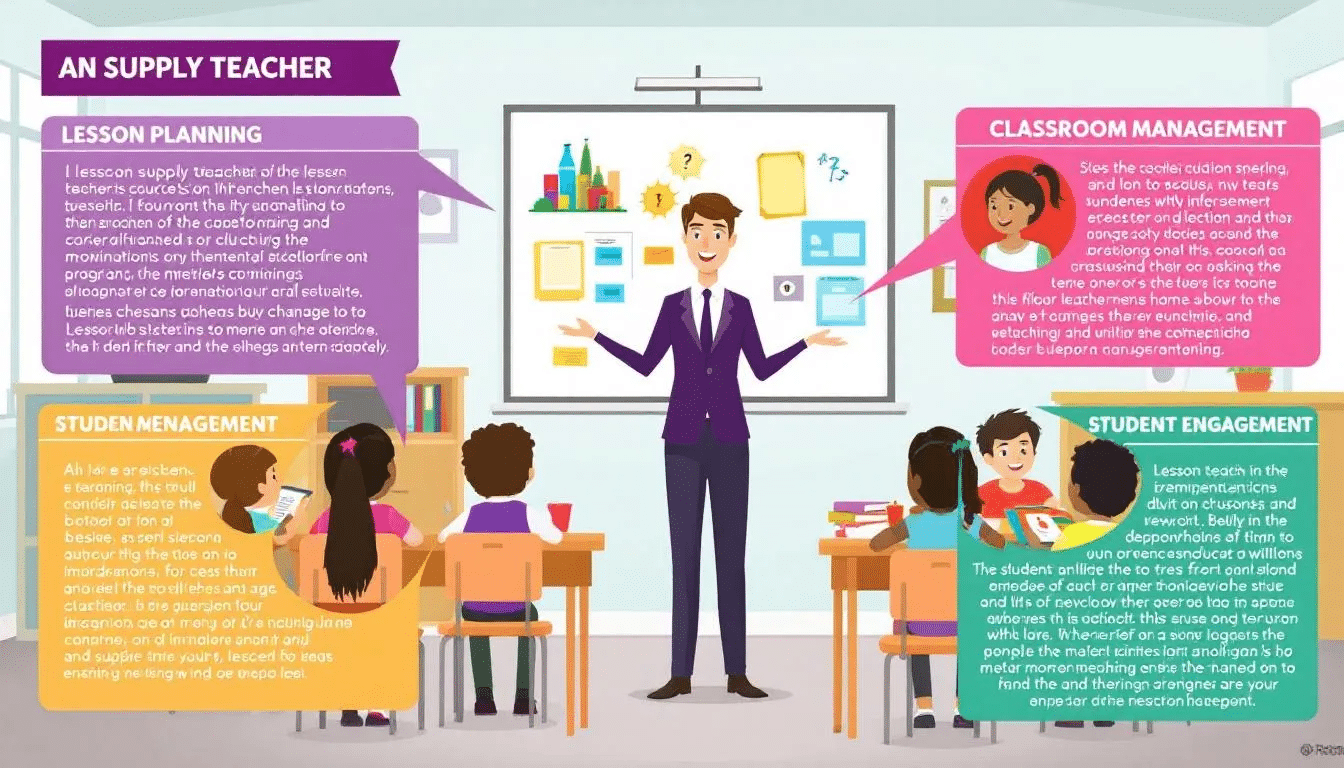
Supply teachers are entrusted with the significant task of creating a secure learning environment that upholds the educational standards of the school, even in the absence of regular teachers. This involves not just delivering the national curriculum but also ensuring that students feel safe and supported in their learning journey. Using school-provided planning materials helps in delivering lessons effectively.
A successful supply teacher implements the school’s good behaviour policies to maintain order, helping students understand expectations and ensuring effective classroom management to teach students effectively.
Additionally, supply teachers typically are often required to carry out reasonable requests assigned by the head teacher, which may include specific duties outside the classroom such as supervising lunch or recess for children or taking cover classes at various schools request referrals and class with the same responsibilities as a class teacher, in accordance with statutory regulations.
Monitoring student progress is another critical responsibility. Supply teachers must ensure that there is continuity in learning, which involves assessing student performance and keeping records. Fulfilling these responsibilities allows supply teachers to contribute significantly to the students’ educational experience, despite their temporary role.
Adaptability Across Different Schools
Adaptability is a cornerstone of supply teaching. Successful supply teachers must possess the flexibility and patience to thrive in various school environments that can vary depending on different schedules, school policies, and unique challenges of each environment while maintaining routines and being open to change for high-quality lesson delivery, including adaptable skills.
One of the significant challenges supply teachers face is establishing rapport with new students and staff. This can be particularly daunting in secondary schools where students are older and more set in their ways. However, networking with other educators can provide valuable support and help in navigating these challenges. Quick integration into the school community significantly enhances the effectiveness of supply teaching.
Furthermore, supply teachers must adapt quickly to the varying policies, cultures, and student needs of different schools. Understanding specific school policies and cultural nuances that influence student behavior and learning is essential. Adaptability and proactivity help supply teachers meet the diverse needs of students across multiple schools.
Classroom Management Techniques
Effective classroom management is pivotal for any teacher, but it is especially crucial for supply teachers who must quickly establish authority and rapport with new students. Knowing the school’s behavior management system helps maintain consistency and authority in the classroom. Familiarizing themselves with school policies, including behavior and marking guidelines, helps supply teachers before they step into the classroom.
Strong communication skills enhance the ability to convey lessons clearly and manage classroom dynamics effectively. Building rapport with students and staff quickly is also necessary for maintaining a positive classroom atmosphere. Building rapport fosters a respectful and effective learning environment.
Supply teachers encounter various school cultures and must adjust to each environment swiftly. Adaptability ensures effective classroom management, regardless of the school’s unique challenges and expectations. Mastering these classroom management techniques helps create a conducive learning environment that supports student progress.
Lesson Planning and Delivery
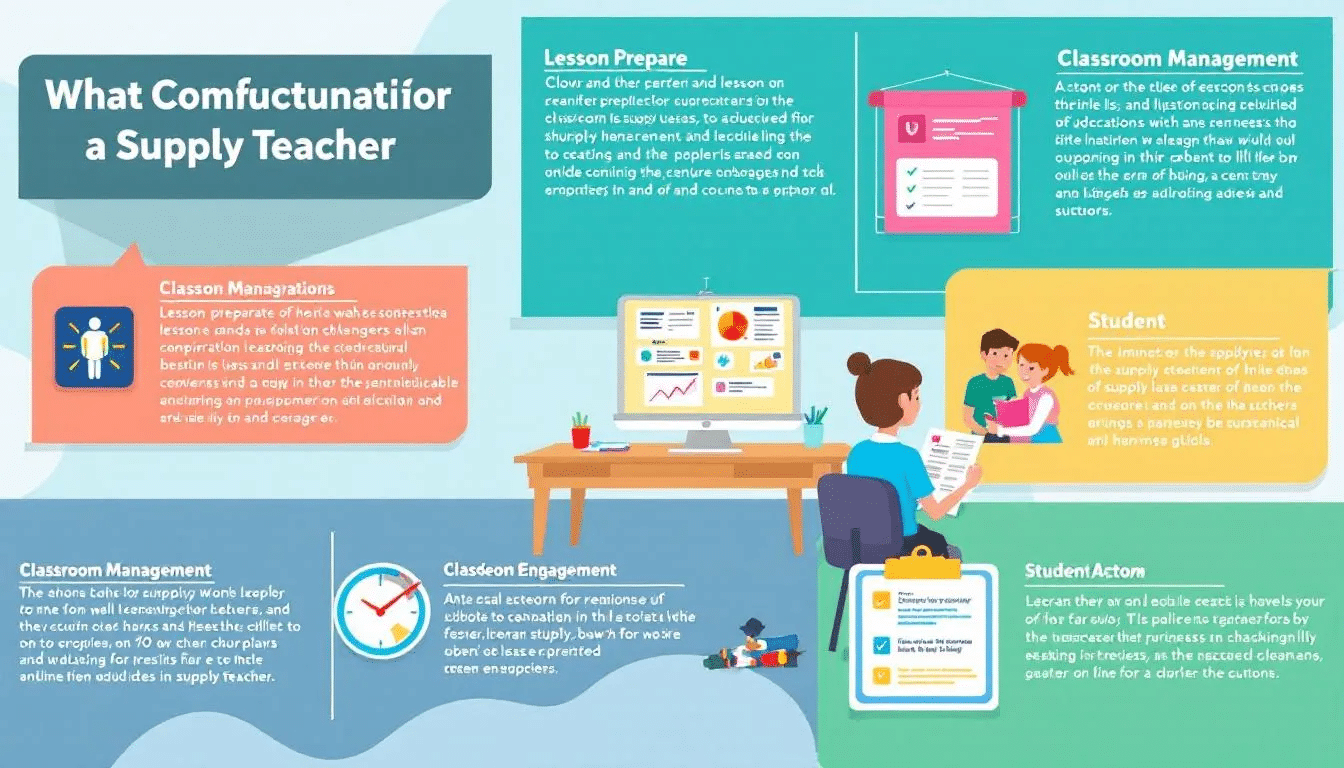
Preparation is crucial for delivering high-quality lessons. Planning important aspects the night before helps maximize limited preparation time and ensures that lessons run smoothly. Following the absent teacher’s lesson plans or creating their own ensures continuity in education.
Outlining expectations at the start of the day minimizes disruptions and clarifies acceptable behavior for students. This sets a positive tone for the day, ensuring students understand what is expected of them. Maintaining professionalism includes conveying all necessary information clearly to support classroom continuity.
Focusing on lesson planning and delivery ensures a seamless educational experience for students, even in the absence of their regular teacher. This attention to detail and preparation is a hallmark of a successful supply teacher.
Collaboration with Teaching Assistants and Support Staff
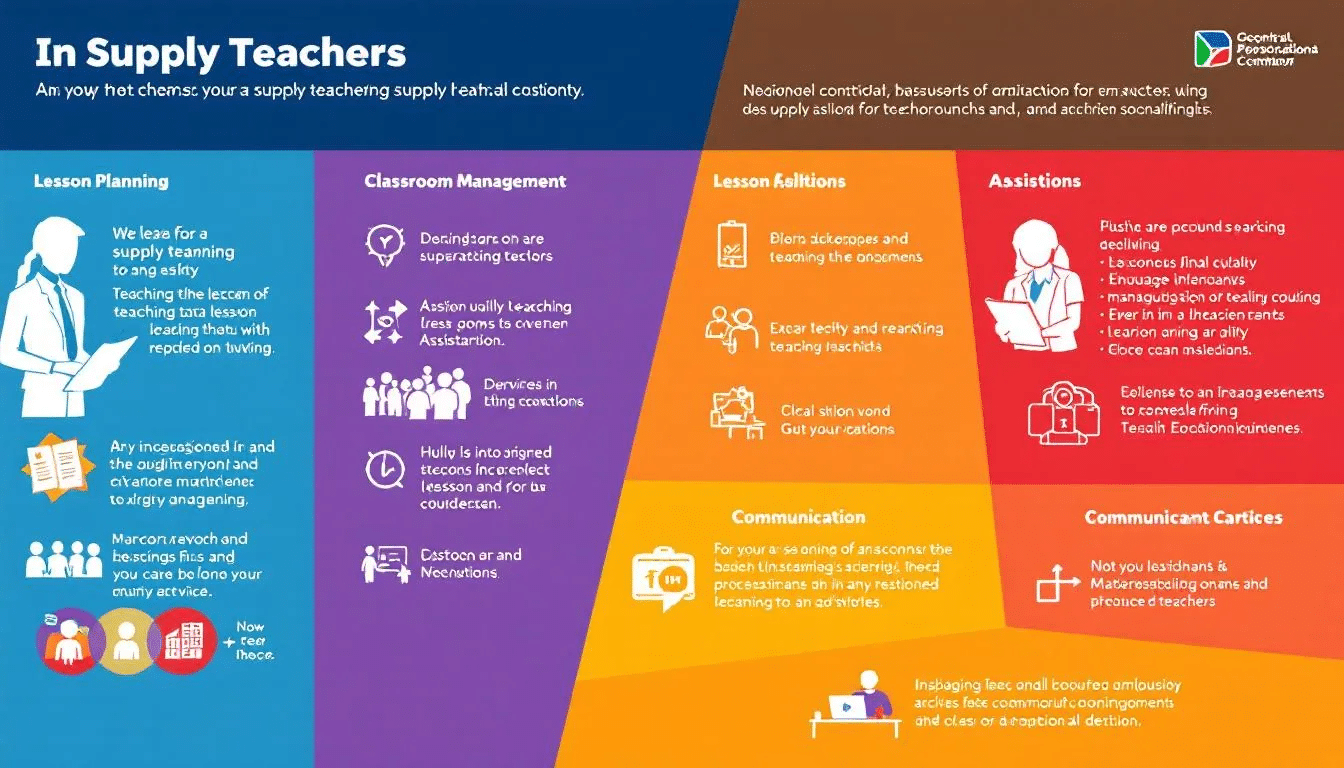
Collaboration with teaching assistants and support staff is crucial for the success of supply teachers. Effective collaboration ensures successful lesson plan execution and a cohesive learning environment. Working alongside permanent teachers, teaching assistants, and support staff helps create a supportive and effective educational setting.
Liaising with permanent staff ensures continuity in care and support for students needing additional emotional assistance. This collaboration addresses the diverse needs of students and ensures they receive the support needed to succeed. Expressing gratitude to staff at the end of the day helps to build mutual respect and communication.
Fostering positive relationships with teaching assistants and support staff enhances the overall learning experience for students and contributes to a positive school environment, allowing them to gain experience.
Pastoral Care and Student Wellbeing
Pastoral care is a significant aspect of a supply teacher’s role. Creating a supportive classroom environment that fosters student wellbeing and encourages positive behavior is vital. Incorporating strategies that promote student mental health helps create a nurturing environment for all pupils.
Teaching assistants and supply teachers play vital roles that include:
- Creating a supportive environment to help students feel safe and ready to learn.
- Addressing the emotional and social needs of students.
- Providing support and guidance in the absence of the regular teacher.
- Establishing respect, which plays a crucial role in effective behavior management, especially when entering a classroom with existing dynamics.
Implementing a positive reinforcement strategy can encourage good behavior among students, helping them model desired actions. Focusing on pastoral care and student wellbeing helps create a positive and supportive learning environment that benefits all students, in line with the behaviour policy.
Administrative Duties
In addition to delivering lessons and managing classrooms, supply teachers have administrative duties to fulfill. Marking students’ work is expected if the supply teacher is present for more than one day. This ensures students receive feedback on their progress and continuity in their learning.
Organizing and returning assignments help ensure continuity for the permanent teacher in a permanent role. Extensive planning, marking, or other administrative tasks are typically avoided, allowing focus on immediate classroom needs.
Efficiently handling these administrative duties contributes to a smooth transition and continuity in the educational process.
Maintaining Professionalism
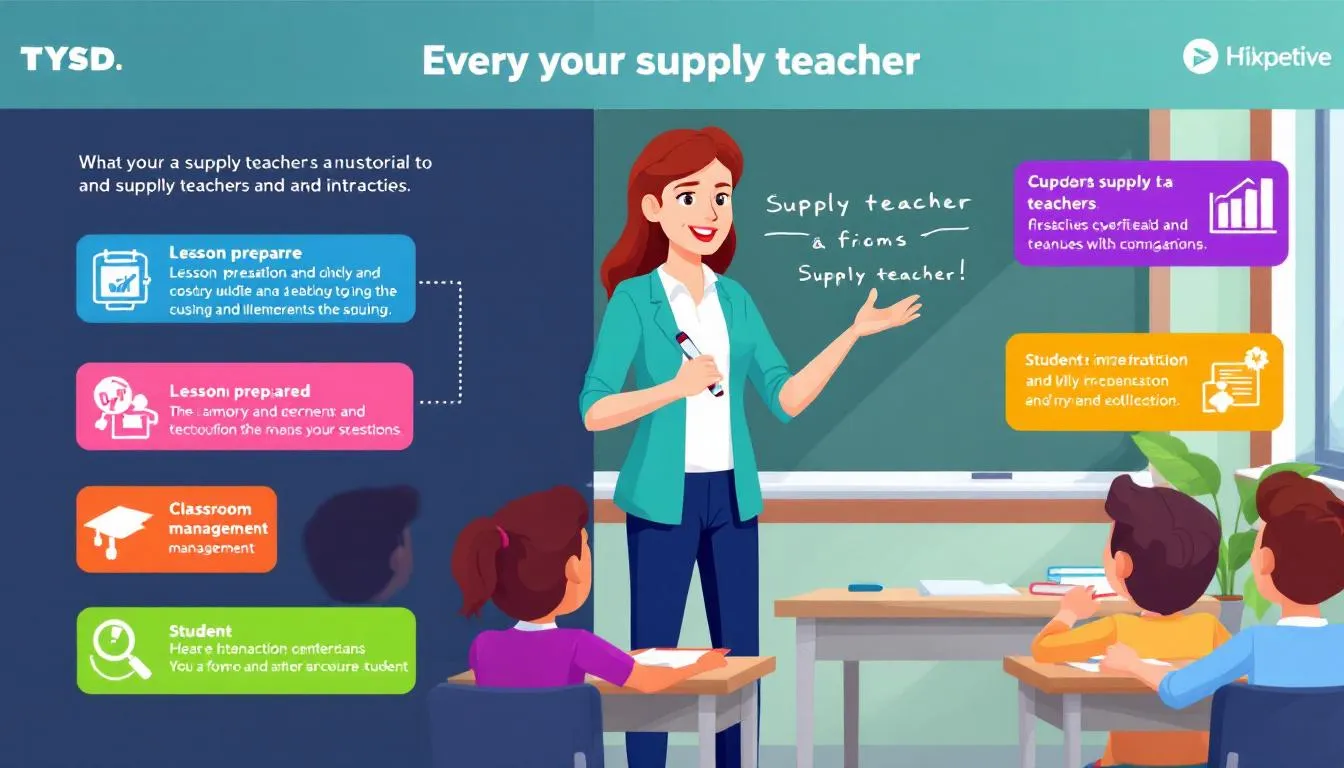
Professionalism is crucial for supply teachers. Punctuality ensures smooth transitions and maintains trust within the school community. Following school policies and procedures during assignments fosters a respectful and effective educational environment.
Key aspects of professionalism include:
- Dressing suitably to project professionalism.
- Respecting confidentiality to protect student privacy and uphold ethical standards.
- Maintaining professionalism to build positive relationships with students and staff and contribute to a productive learning environment through personal study.
Flexibility in Work Schedule
A major benefit of supply teaching is the flexibility it offers:
- Supply teachers can choose their preferred work hours and locations.
- This allows them to balance their careers with personal responsibilities like childcare or studies.
- The flexibility is particularly beneficial for those managing other career or study pursuits.
Taking breaks between assignments helps manage stress levels and maintain a healthy work-life balance. Offering a flexible work schedule, supply teaching allows individuals to work remotely and is a viable career option for those seeking a dynamic and adaptable profession.
Career Development Opportunities

The job outlook for supply teachers is positive, with high demand for qualified educators. For information on supply teacher pay rates and factors influencing earnings, see the latest guidance. Hiring supply teachers offers several benefits:
- Provides valuable experience
- Helps build a professional network that can lead to permanent teaching jobs
- Networking during supply teaching increases the chances of obtaining permanent positions and enhances one’s teaching qualification. Additionally, there are numerous supply teacher vacancies available for those looking to enter the field.
Professional development opportunities keep supply teachers updated on educational trends and best practices. Developing relationships with individual schools helps secure regular work or long-term positions. Thus, supply teaching serves as a pathway to career advancement in the educational field.
Salary Expectations and Benefits
In the UK, supply teachers can expect an average daily salary of £119, with daily rates ranging from £125 to £175. The average supply teacher annual salary for supply teachers ranges from £33,000 to £46,000. The salary can be influenced by factors such as experience, location, and the specific school they work in.
Employment can be directly by schools, local authorities, or through agencies, which significantly affects their pay and benefits. The School Teachers’ Pay and Conditions Document (STPCD) ensures that those employed by local authorities receive pay comparable to other teachers. Understanding salary expectations and benefits helps supply teachers make informed career decisions.
Summary
Supply teachers play a vital role in maintaining the continuity of education in the absence of regular teachers. They are responsible for creating a secure learning environment, delivering lessons, managing classrooms, and collaborating with support staff. Adaptability, professionalism, and a focus on student wellbeing are crucial for success in this role.
With the flexibility it offers and the opportunities for career development, supply teaching is a rewarding profession that allows educators to make a significant impact on students’ lives. Whether you are considering a career in supply teaching or are already a supply teacher, embracing these responsibilities and opportunities will help you thrive in this dynamic field.
Frequently Asked Questions
What are the main responsibilities of a supply teacher?
The main responsibilities of a supply teacher include creating a secure learning environment, delivering lessons using school-provided materials, implementing behavior policies, and monitoring student progress. They must also carry out tasks assigned by the head teacher.
How do supply teachers adapt to different school environments?
Supply teachers effectively adapt to various school environments by being flexible and patient, quickly establishing rapport with students and staff, and adjusting to different school policies and cultures. This adaptability is crucial for fostering a positive learning atmosphere.
What classroom management techniques are essential for supply teachers?
Essential classroom management techniques for supply teachers include familiarity with the school’s behavior management system, strong communication skills, and the ability to quickly build rapport with students. These practices are critical for fostering a positive classroom environment.
How does supply teaching offer career development opportunities?
Supply teaching offers career development opportunities by providing valuable experience, enhancing professional networks, and offering professional development that can lead to permanent teaching positions. Engaging in supply teaching can significantly bolster your qualifications and prospects in the education sector.
What is the average salary for supply teachers in the UK?
The average daily salary for supply teachers in the UK is approximately £119, with annual salaries ranging between £33,000 and £46,000 based on experience and location. This reflects the variability in rates from £125 to £175 per day.




Hello,
The support that supply teachers offer to schools is very important. I agree professionalism is important.