Teaching assistants play a crucial role in the educational environment, supporting both teachers and students. Knowing the do’s and don’ts for teaching assistants can help you be more effective and professional in your role. This article will provide you with essential guidelines to help you excel and avoid common pitfalls in the classroom.
Key Takeaways
- Building strong relationships with pupils is essential for enhancing motivation and academic performance, requiring active listening and confidentiality.
- Proactivity in the classroom, including clear behavior management and collaboration with teachers, significantly improves student engagement and learning outcomes.
- Adapting to different learning styles and prioritizing professional development are crucial for teaching assistants to effectively meet student needs and enhance their skills.
Build Strong Relationships with Pupils

One of the most important aspects of the teaching assistant role is building strong relationships with pupils. This goes beyond just knowing their names; it involves understanding their individual needs, interests, and challenges. Building rapport with students enhances their motivation and willingness to engage in learning. When pupils feel that they are understood and valued, they are more likely to participate actively in class and seek help when needed.
Effective relationships between teaching assistants and pupils can lead to improved academic performance. Trust established through strong relationships allows pupils to feel secure in seeking help and expressing their difficulties. This emotional support can significantly impact their social development as well. For many children, the teaching assistant is someone they can confide in, making the classroom a safer and more supportive environment.
Active listening is a key component in building these strong relationships. Genuinely listening to pupils allows teaching assistants to understand individual learning needs and adapt their support accordingly. This approach not only aids academic performance but also fosters trust and respect.
Confidentiality is another key element. Respecting student privacy is crucial for building trust among students, parents, and staff. When pupils know that their personal information is safe, they are more likely to open up and engage fully in the passion learning process.
Be Proactive in the Classroom
Proactivity in the classroom is a significant aspect of the teaching assistant’s role. A proactive teaching assistant can significantly contribute to improving student engagement and learning outcomes by:
- Actively observing and assessing student needs to better tailor the support provided.
- Identifying areas where students struggle.
- Intervening early with necessary assistance.
Setting clear behaviour expectations is another key aspect of proactivity. Consistent application of behavior management strategies fosters a predictable and stable classroom environment. This not only helps in preventing disruptive incidents but also enhances the overall learning experience through effective problem solving, allowing students to achieve their full potential. The present focus on these strategies is essential for success.
Proactivity also extends to collaborating with the class teacher and other school leaders. Close collaboration ensures that teaching assistants’ efforts align with overall teaching objectives and strategies. This collaboration is key to creating a cohesive and supportive learning environment for all students.
Maintain Effective Communication
Effective communication is a vital part of the teaching assistant’s role. Clear communication about roles and responsibilities ensures effective deployment of teaching assistants. This ensures that there is no confusion about who is responsible for what, leading to a more organized classroom environment.
Maintaining alignment on classroom management requires open communication with teachers. When teaching assistants suggest new methods or resources, they must first discuss these with the lead teacher to maintain consistency. This approach respects the lead teacher’s authority and fosters a collaborative environment.
Regular feedback sessions are another important aspect of effective communication. They:
- Foster a collaborative environment that supports continuous improvement.
- Allow sharing insights with teachers, leading to a more cohesive support strategy.
- Help establish clear channels of communication, which aids in resolving misunderstandings quickly.
Clarifying roles and responsibilities avoids confusion about authority in the classroom. Respecting the authority of the lead teacher involves sharing ideas at appropriate times rather than during class or busy moments. This ensures that the classroom runs smoothly and efficiently, fulfilling the job of effective teaching and adhering to the rules.
Adapt to Different Learning Styles

Adapting to different learning styles is crucial for teaching assistants. Recognizing diverse learning preferences enables teaching assistants to tailor their support learning effectively. This recognition is the first step in ensuring that every student can learn in a way that resonates with them.
Adapting methods to various learning styles enhances student engagement and understanding. For example, visual aids benefit some students, while others prefer hands-on activities. By being aware of these preferences, teaching assistants can use differentiated instruction to meet individual learning needs within a diverse classroom.
Adapting to individual learning styles allows the best teaching assistants to significantly impact student performance and abilities that have been achieved. When students feel that their unique needs are being met, they are more likely to participate actively and perform better academically. This adaptability is a hallmark of great teachers and is essential for fostering a supportive and inclusive learning environment.
Prioritize Professional Development
Prioritizing professional development is essential for teaching assistants who want to reach their full potential in their career. Continuous professional development (CPD) helps teaching assistants maintain high competency levels and stand out among peers. This ongoing training is crucial for staying updated with the latest educational practices and strategies.
Challenges in less successful schools often stem from poor training and a lack of role understanding among teaching assistants. Schools should identify essential training areas, particularly in maths, classroom management, and observation. Specialist training in subjects like maths is crucial to provide effective support and avoid unfluent teaching.
In-house training opportunities should be developed to cater to the specific training needs of teaching assistants. Ongoing training enhances skills and knowledge, improving teaching assistants’ ability to support children effectively. By investing in their professional development, teaching assistants can make a significant impact on their students’ academic and social success through teaching assistant deployment.
Avoid Overstepping Boundaries
Avoiding overstepping boundaries is crucial for teaching assistants. Encountering unfamiliar subject knowledge may leave teaching assistants feeling unsure and afraid, requiring them to seek guidance from the teacher and prepare in advance to teach effectively. This ensures that they are well-equipped to support the students and explore their tasks without overstepping. Here are some top tips for success that are taught.
Teaching assistants must be aware of their responsibilities toward the children they work with, including classroom actions, checking work, and preparing resources. Supporting children in the teacher’s direction and respecting their authority are essential. This respect fosters a harmonious working relationship and smooth classroom operation. It is important to assume that all teaching assistants are committed to these principles.
It’s important for teaching assistants to coordinate with teachers before taking on responsibilities beyond their defined role. This approach prevents confusion or overlap in duties, leading to a more organized and efficient classroom environment. By understanding and respecting their boundaries, teaching assistants can provide effective support without causing disruptions.
Stay Positive and Encouraging

Staying positive and encouraging is a key aspect of the teaching assistant’s role. A positive mindset significantly impacts student growth, and continuous professional development helps maintain a motivational environment. This positivity can elevate student engagement and enthusiasm in learning.
Nonverbal cues and supportive behaviors that enhance rapport and student engagement include:
- Smiling and open body language, which enhance the rapport between teaching assistants and students.
- Creating a supportive environment that includes positive body language to significantly increase student engagement and provide more support.
- Using verbal affirmation and enthusiasm to encourage students to participate more actively in classroom activities, keeping them engaged.
Using positive reinforcement can effectively encourage desirable behaviors from students. Enthusiasm and positivity can inspire similar attitudes in students, fostering a dynamic classroom atmosphere. Encouraging teaching assistants can positively influence the emotional climate of the classroom, leading to better student outcomes, making teaching a highly rewarding experience.
Handle Challenging Behavior Appropriately
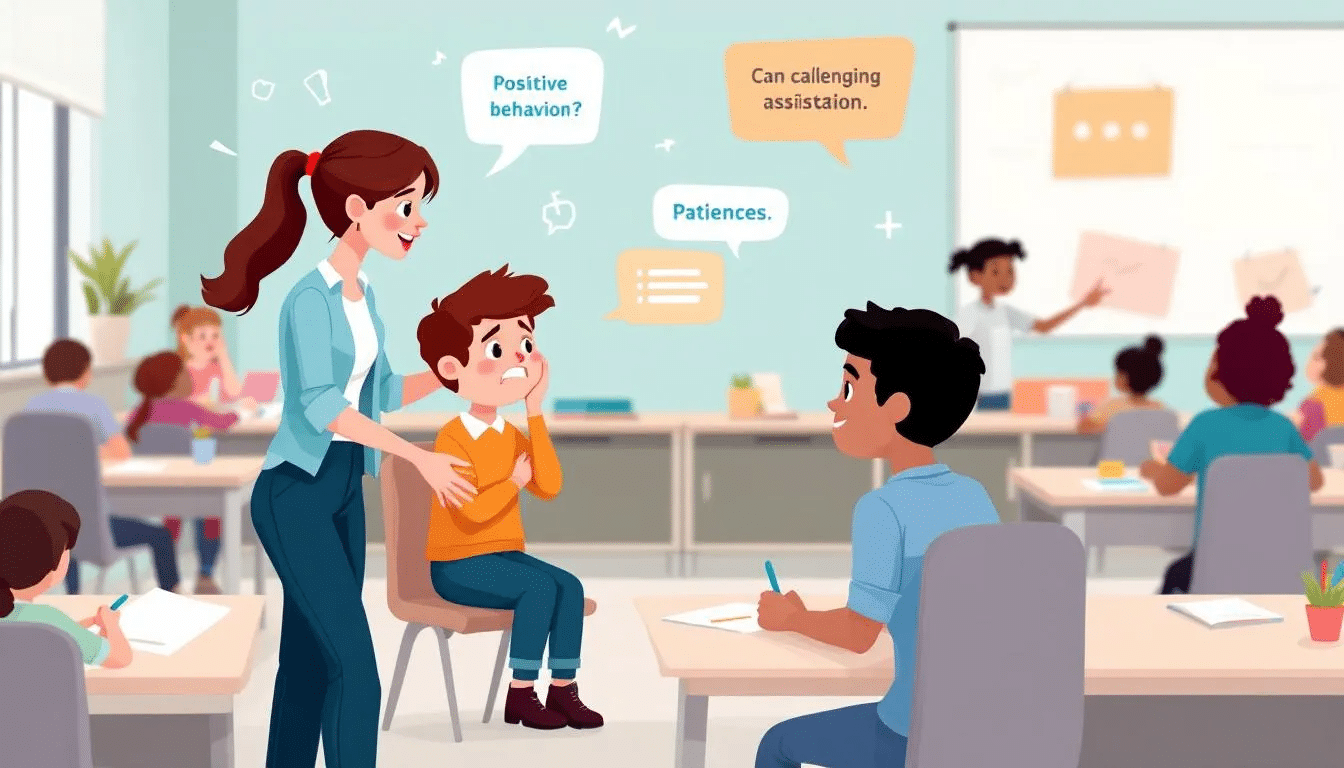
Handling challenging behavior appropriately is essential for maintaining a positive learning environment. Restorative practices aid in resolving conflicts and maintaining positive relationships among students. These practices allow students to understand the impact of their actions and work towards repairing harm.
Effective behavior management is crucial for maintaining a positive learning environment. Effective behavior management supports the learning objectives by fostering a respectful and collaborative classroom environment. By addressing challenging behavior appropriately, teaching assistants can create a more conducive learning atmosphere for all students.
Seek Feedback and Reflect
Seeking feedback and reflecting on experiences are crucial for professional growth. Regular feedback from teachers helps teaching assistants gain their teaching practices. Constructive criticism helps them understand their impact on student learning and identify areas for improvement. This advice is essential for their development.
Reflecting on experiences helps teaching assistants identify areas for improvement and professional growth. Continuous professional development encourages knowledge exchange, fostering growth through mentorship and collaboration, and these experiences provide valuable lessons.
Respect Confidentiality

Respecting confidentiality is a fundamental responsibility for teaching assistants. Breaching confidentiality can lead to legal consequences and damage the reputation of educational institutions. The Data Protection Act 2018 mandates secure management of sensitive personal information by schools.
Schools must communicate confidentiality policies to parents, ensuring they understand their rights regarding information sharing. Counselors and support staff maintain confidentiality while providing necessary services to students.
Maintaining confidentiality is crucial in education settings to protect students’ privacy and create a safe learning environment.
Summary
Summarize the key points discussed in the blog post. Highlight the importance of building strong relationships, being proactive, maintaining effective communication, adapting to different learning styles, prioritizing professional development, avoiding overstepping boundaries, staying positive, handling challenging behavior, seeking feedback, and respecting confidentiality. Conclude with an inspiring phrase encouraging readers to apply the tips.
Frequently Asked Questions
How can teaching assistants build strong relationships with pupils?
Teaching assistants can build strong relationships with pupils by understanding their individual needs, actively listening to them, and offering emotional support. This personalized approach fosters trust and connection.
Why is it important for teaching assistants to be proactive in the classroom?
It is crucial for teaching assistants to be proactive in the classroom as it enables them to identify student needs early, set clear behavior expectations, and foster collaboration with teachers, thereby enhancing the overall learning environment.
How can teaching assistants adapt to different learning styles?
Teaching assistants can enhance student engagement and understanding by recognizing diverse learning preferences and adjusting their methods to accommodate these styles. This adaptability is essential for effectively supporting all learners.
What is the significance of professional development for teaching assistants?
Professional development is crucial for teaching assistants as it enhances their skills, keeps them informed about current educational practices, and ultimately enables them to offer effective support in the classroom. This ongoing training is essential for maintaining high competency levels.
Why is respecting confidentiality important for teaching assistants?
Respecting confidentiality is crucial for teaching assistants as it protects students’ privacy and fosters trust, leading to a safe and supportive learning environment. Moreover, it ensures compliance with legal requirements, reinforcing the integrity of the educational institution.