Being bullied can make you feel isolated and powerless, but you are not alone. As your teacher, I want to help you understand bullying and provide practical tips to recognize and deal with it effectively, whether it happens at school, home, or elsewhere.
Introduction to Bullying
Bullying is a serious problem that can affect anyone, no matter their age or background. It involves bullying behavior such as intimidation, force, or threats to make someone feel powerless or afraid. Bullying can show up in many ways—sometimes as physical abuse, other times as hurtful words or emotional manipulation. Whether it happens at school, in the workplace, or online, bullying can have a big impact on a person’s life. People who are bullied may experience stress-related illness, psychological distress, or even thoughts of suicide. That’s why it’s so important to recognize bullying, offer support to those affected, and work together to create a culture of respect and empathy where everyone feels safe.
Introduction to Bullying
Bullying is a serious problem that can affect anyone, no matter their age or background. It involves bullying behavior such as intimidation, force, or threats to make someone feel powerless or afraid. Bullying can show up in many ways—sometimes as physical abuse, other times as hurtful words or emotional manipulation. Whether it happens at school, in the workplace, or online, bullying can have a big impact on a person’s life. People who are bullied may experience stress-related illness, psychological distress, or even thoughts of suicide. That’s why it’s so important to recognize bullying, offer support to those affected, and work together to create a culture of respect and empathy where everyone feels safe.
Key Takeaways
- Bullying at school often involves repeated aggressive behavior, sometimes from students or classmates who try to dominate or control others. It can be verbal, psychological, or physical.
- In many cases, keeping a detailed record of bullying incidents is important. Writing down what happened, when, and who was involved can help you and the adults supporting you take action.
- Bullying can affect your emotions and mental health. It’s important to talk to someone you trust—like a teacher, parent, or counselor—and seek support to help you feel stronger and more confident.
Recognizing Bullying Behavior

Bullying is when someone repeatedly hurts, intimidates, or harasses another person. It is more than just a one-time argument or disagreement. At school, bullying can include name-calling, teasing, excluding others, physical actions like pushing or hitting, or other ways such as social manipulation or indirect actions.
A key part of bullying is the imbalance of power—when someone uses their strength or popularity to control or hurt others. People may be targeted for bullying based on perceived differences or characteristics. This behavior is unacceptable and should be addressed.
Examples of Non-Bullying Behavior
Sometimes, what feels uncomfortable isn’t bullying. For example, if a teacher or classmate gives you feedback to help you improve, or if friends have a disagreement, having a different opinion is not the same as bullying. These situations are part of learning and growing.
Unintentional Bullying
Sometimes, people say or do things without realizing they are hurting someone. Even if they don’t mean to be mean, their actions can still cause pain. It’s important to recognize when this happens and talk about it, and to be aware of how your words and actions might affect others.
Deliberate Bullying
Deliberate bullying is when someone intends to hurt or embarrass the victim. This might include spreading rumors, calling you names, or excluding you on purpose. Recognizing these behaviors helps us take steps to stop them. Ignoring bullying often does not stop it and can make the victim feel more isolated.
Types of Bullying
Bullying can take many different forms, and understanding these can help you recognize when it’s happening. Sometimes, bullying is carried out by one person targeting another individual—this is called individual bullying. Other times, a group of people may join together to hurt or exclude someone, which is known as collective bullying. In today’s world, cyberbullying is also common, where people use technology like social media or text messages to harass or intimidate others.
Bullying can also be divided into categories based on how it happens. Verbal bullying uses words to hurt, tease, or threaten someone. Physical bullying involves actions like hitting, pushing, or damaging someone’s belongings. Emotional or psychological bullying is when someone tries to control or manipulate another person’s feelings, often by spreading rumors or excluding them from groups. All these types of bullying can cause real harm, and it’s important to take them seriously.
Why Do People Bully?
People may engage in bullying behavior for many different reasons. Sometimes, a bully has a strong need to feel in control or powerful over others. In other cases, someone might bully because of their own feelings of insecurity, low self-esteem, or frustration. Some bullies act out because they have been bullied themselves or have learned this behavior from others around them. Bullying can also be driven by prejudice or discrimination, such as targeting someone because of their sexual orientation or other differences. Understanding that bullying often comes from a place of hurt or a need for control can help us respond with empathy and work towards solutions that address the root causes.
Bullying in Different Contexts
Bullying doesn’t just happen at school—it can occur in many different places, including the workplace and online. School bullying can make it hard for children to learn, make friends, and feel safe. In the workplace, bullying behavior—sometimes called workplace harassment—can lead to stress-related illness, depression, and even constructive dismissal, where an employee feels forced to leave their job because of how they are treated. Online bullying, or cyberbullying, can be especially tough to deal with because it can happen at any time and reach a wide audience. Parents, teachers, and employers all have a role to play in recognizing, preventing, and addressing bullying in these different settings, so that everyone can feel respected and supported.
Types of Bullying
Bullying can take many different forms, and understanding these can help you recognize when it’s happening. Sometimes, bullying is carried out by one person targeting another individual—this is called individual bullying. Other times, a group of people may join together to hurt or exclude someone, which is known as collective bullying. In today’s world, cyberbullying is also common, where people use technology like social media or text messages to harass or intimidate others.
Bullying can also be divided into categories based on how it happens. Verbal bullying uses words to hurt, tease, or threaten someone. Physical bullying involves actions like hitting, pushing, or damaging someone’s belongings. Emotional or psychological bullying is when someone tries to control or manipulate another person’s feelings, often by spreading rumors or excluding them from groups. All these types of bullying can cause real harm, and it’s important to take them seriously.
Why Do People Bully?
People may engage in bullying behavior for many different reasons. Sometimes, a bully has a strong need to feel in control or powerful over others. In other cases, someone might bully because of their own feelings of insecurity, low self-esteem, or frustration. Some bullies act out because they have been bullied themselves or have learned this behavior from others around them. Bullying can also be driven by prejudice or discrimination, such as targeting someone because of their sexual orientation or other differences. Understanding that bullying often comes from a place of hurt or a need for control can help us respond with empathy and work towards solutions that address the root causes.
Bullying in Different Contexts
Bullying doesn’t just happen at school—it can occur in many different places, including the workplace and online. School bullying can make it hard for children to learn, make friends, and feel safe. In the workplace, bullying behavior—sometimes called workplace harassment—can lead to stress-related illness, depression, and even constructive dismissal, where an employee feels forced to leave their job because of how they are treated. Online bullying, or cyberbullying, can be especially tough to deal with because it can happen at any time and reach a wide audience. Parents, teachers, and employers all have a role to play in recognizing, preventing, and addressing bullying in these different settings, so that everyone can feel respected and supported.
Talking About Your Experience
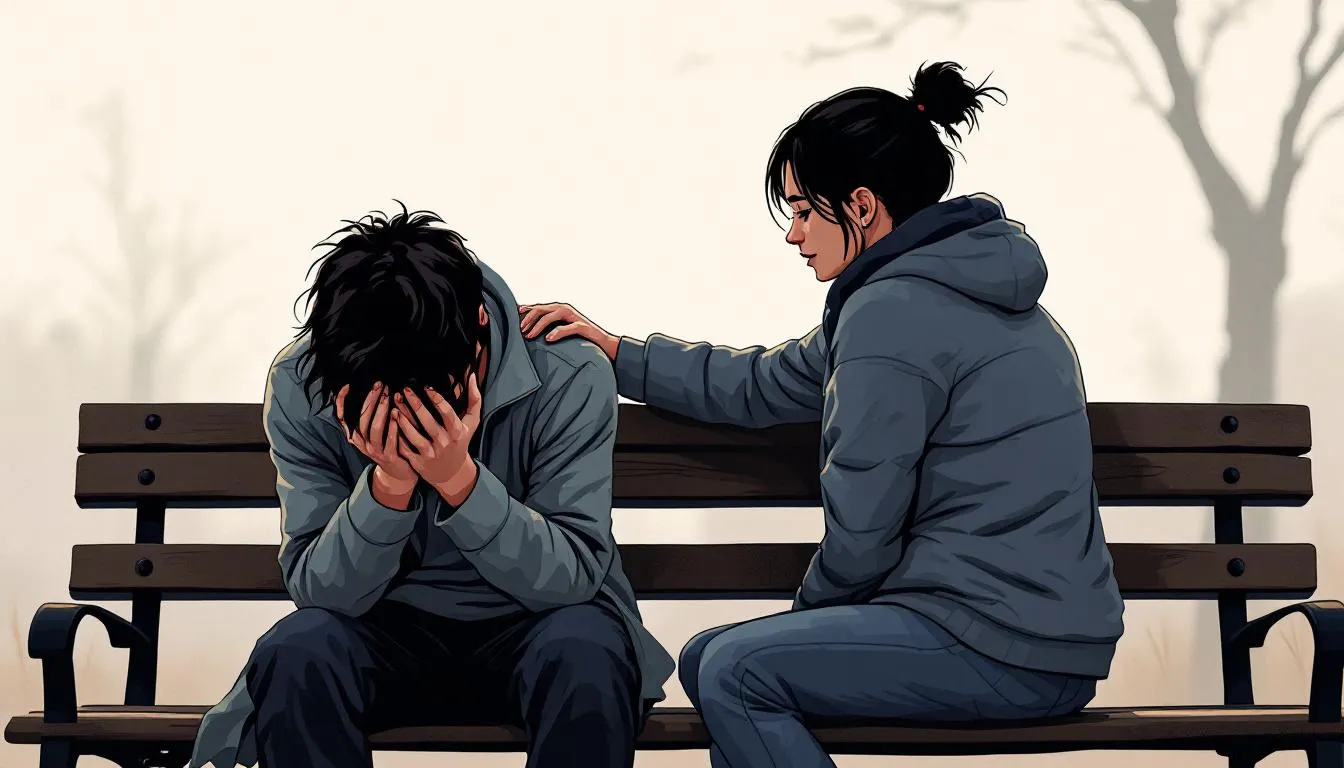
If you feel bullied, it’s very important to tell someone you trust. This could be a teacher, parent, or school counselor. Don’t worry about what others might think—reporting bullying is the right thing to do and helps protect yourself and others. Talking about it helps you feel supported and allows adults to help you, so always report bullying incidents to trusted adults.
How to Approach the Bully
If you ask yourself whether you feel safe and the answer is yes, sometimes calmly telling the person how their behavior makes you feel can help. But remember, you don’t have to do this alone—ask a teacher or friend to support you if you want.
Seeking Support from Others
You don’t have to face bullying by yourself. Reach out to friends, teachers, or support groups at school. They can listen, help you understand what’s happening, and find ways to stop the bullying.
Keeping Records of Bullying Incidents
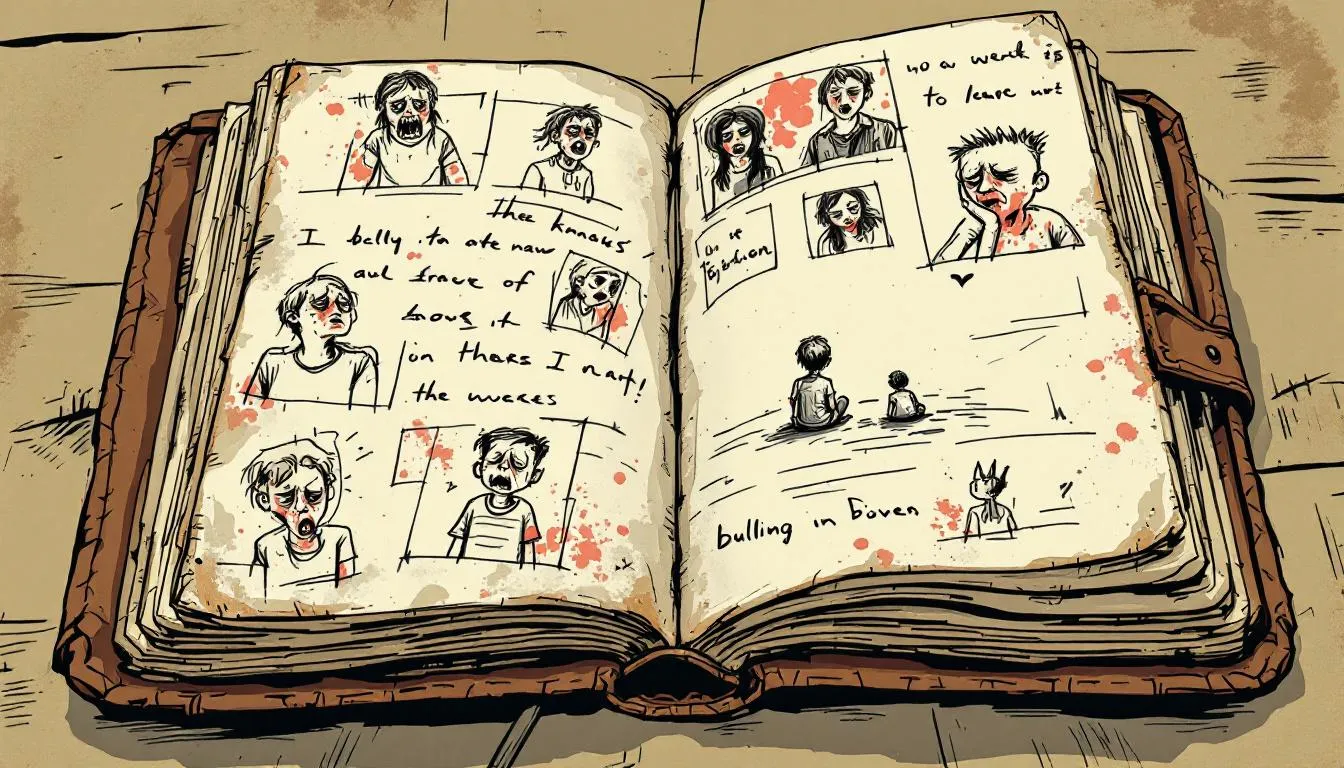
Writing down what happens when you are bullied is very helpful. Note the dates, times, places, what was said or done, and who was there. Keeping detailed records provides important evidence if the bullying needs to be reported to authorities or responsible adults. This information can help teachers and parents understand the situation better and take action, and well-documented incidents are more likely to be taken seriously when reported.
What to Include in Your Records
- When and where the bullying happened
- Who was involved (include the names of all persons present)
- What exactly was said or done
- Any witnesses
Keeping these notes organized helps everyone work together to stop the bullying.
Informal Resolution Methods
Sometimes, talking things through with a teacher or a mediator can be an informal resolution process that helps solve the problem before it escalates into something more serious. This can make things better faster and with less stress, but it’s important for students to recognise when informal resolution is not enough and further steps are needed.
Speaking with a Teacher or Counselor
If you don’t feel comfortable talking directly to the person bullying you, come and talk to me or another trusted adult. We will listen and help figure out the best way to support you.
Mediation and Conflict Resolution
Sometimes a neutral person can help both sides talk and understand each other better. This can lead to a solution everyone agrees on and helps stop bullying.
Formal Complaint Procedures
If bullying continues, you or your parents can make a formal complaint to the school. Schools must follow certain laws and policies when handling bullying complaints. The school must take this seriously and investigate quickly to keep you safe. If you feel you have been treated unfairly, you have the right to seek help under the law.
Writing a Complaint Letter
If you decide to make a formal complaint, it’s helpful to include specific details about what happened and how it made you feel. This helps the school understand the problem and take action.
Impact of Bullying on Mental Health

Bullying can make you feel very upset, scared, or alone. It can cause fear and make a child or kids feel weak or harassed. Bullying can also cause stress, anxiety, sadness, and even physical symptoms like headaches or trouble sleeping.
If you feel overwhelmed, please tell an adult. Some students may feel frustrated or overwhelmed and may need to see doctors for help. There are people who want to help you feel better and stay safe.
Building Resilience and Self-Esteem
Bullying can hurt your confidence, but you can build yourself up again. Building resilience can help you respond to negative behaviour from others. Remember your strengths, practice positive thinking, and spend time with friends who support you.
Developing Coping Skills
Learning ways to handle difficult situations can make you stronger. Talking to a counselor or joining groups at school can help you develop these skills.
Making New Friends and Support Networks
Joining clubs, sports, or other activities can help you make new friends and feel more connected. Having friends who care about you makes it easier to face challenges.
Prevention and Education
Preventing bullying starts with education and awareness. Schools and workplaces can help by offering workshops, training, and clear policies that show bullying is unacceptable. It’s important to create an environment where everyone feels respected and valued, and where empathy and self-esteem are encouraged. Learning to recognize the signs of bullying—like changes in someone’s mood, behavior, or appearance—can help adults and peers step in early. Reporting bullying and seeking support is a key part of stopping it and helping those affected. By working together and supporting each other, we can build a safer, kinder community for everyone.
Prevention and Education
Preventing bullying starts with education and awareness. Schools and workplaces can help by offering workshops, training, and clear policies that show bullying is unacceptable. It’s important to create an environment where everyone feels respected and valued, and where empathy and self-esteem are encouraged. Learning to recognize the signs of bullying—like changes in someone’s mood, behavior, or appearance—can help adults and peers step in early. Reporting bullying and seeking support is a key part of stopping it and helping those affected. By working together and supporting each other, we can build a safer, kinder community for everyone.
Summary
Remember, bullying is not your fault, and you don’t have to face it alone. Talk to someone you trust, keep track of what happens, and know that your school is here to support you. Together, we can make your school a safe and happy place.
Frequently Asked Questions
What should I do if I think I’m being bullied at school?
Talk to a teacher, parent, or counselor you trust. Sharing your experience is the first step to getting help.
Why is it important to keep a record of bullying incidents?
Writing down what happens helps adults understand the situation and take the right steps to stop the bullying.
What can I do if I don’t feel safe talking directly to the bully?
You don’t have to face it alone. Speak to a trusted adult who can help you find the best way to handle the situation.
How can I cope with the feelings caused by bullying?
Build your confidence, seek support from friends and adults, and don’t hesitate to ask for professional help if you need it.