Understanding why learning styles are important can transform education. By catering to various learning styles, educators can enhance student engagement and achievement. This article explores the significance of learning styles and how they influence educational outcomes.
Key Takeaways
Identifying and understanding individual learning styles—such as visual, auditory, and kinesthetic—enhances educational outcomes by allowing tailored teaching methods that align with students’ preferred ways of learning.
Adapting teaching approaches to accommodate diverse learning preferences increases student engagement and motivation, fostering a more inclusive and effective learning environment.
Utilizing technology and a multi-sensory approach supports various learning styles, enhancing knowledge retention and creating equitable educational opportunities for all students.
Understanding Learning Styles
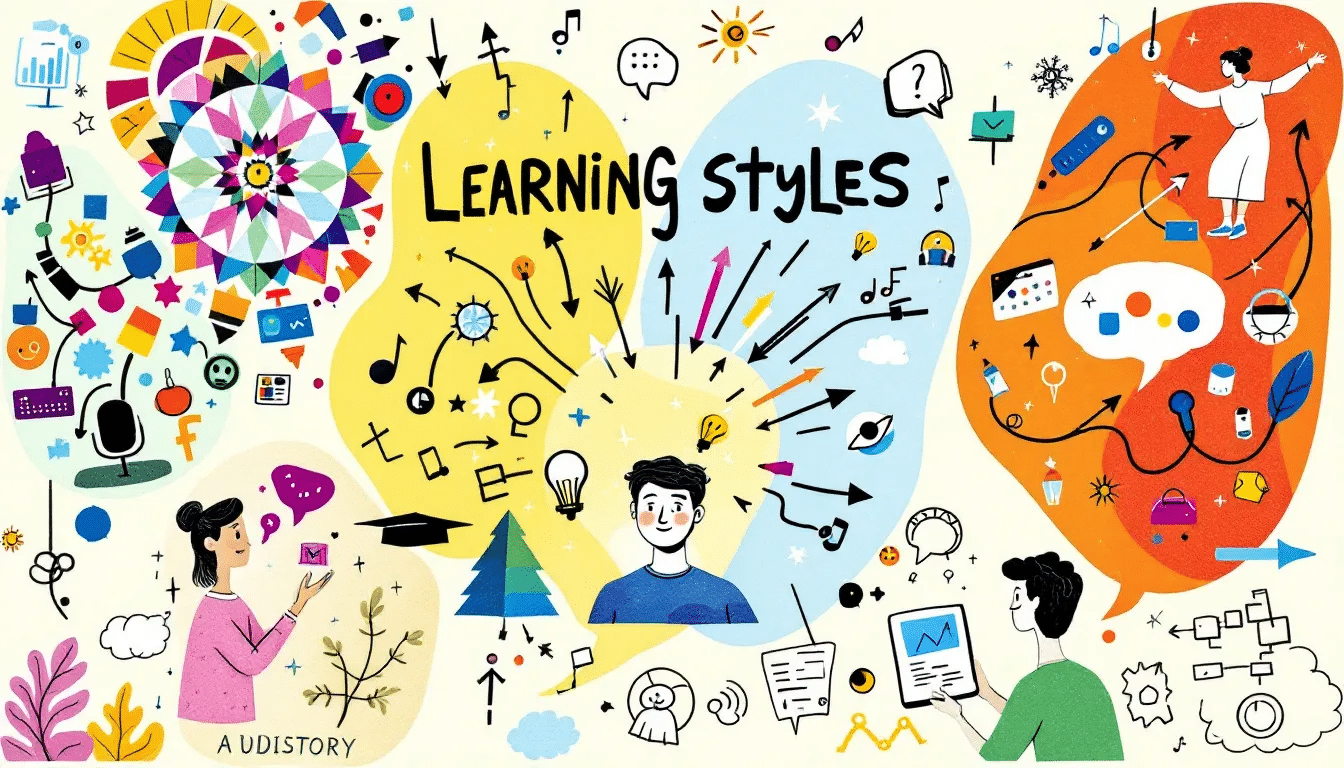
Learning styles encompass the various methods that individuals use to learn, including their individual learning style and their own learning style. They also involve how people process information differently. These styles are the natural, habitual, and preferred methods for absorbing and processing knowledge, varying widely among individuals. The most commonly recognized learning styles include visual, auditory, and kinesthetic, each offering distinct pathways to understanding and retention. To better understand these approaches, it is essential to define learning styles.
Visual learners, for instance, benefit from seeing information presented in diagrams, charts, and other visual aids. They often find it easier to grasp complex concepts when they are depicted visually, making techniques like mind maps particularly useful for a visual learner. This approach aligns well with visual learning strategies.
Auditory learners, on the other hand, thrive in environments where information is conveyed through spoken words. Discussions, lectures, and verbal instructions are key components that help these learners process and retain information effectively.
Kinesthetic learners prefer hands-on activities and physical engagement with the material. They learn best through doing, whether it’s through experiments, simulations, or other tactile experiences. Besides these, other learning styles also exist, such as reading and writing learners who excel through text-based input and output. Diverse models, like the Herrmann Brain Dominance Instrument and the Felder-Silverman model, categorize learners based on various cognitive preferences, further highlighting the complexity of learning styles. A kinesthetic learner thrives in environments that allow for active participation.
Understanding learning styles is not just about categorizing students; it involves recognizing the impact these preferences have on the learning process. Communicating classroom material in a student’s preferred learning style opens new pathways to understanding and retention, ultimately enhancing educational practices.
The Importance of Recognizing Learning Preferences

Identifying different learning preferences is crucial for creating effective educational experiences. When educators understand and adapt their teaching methods to accommodate varied learning approaches, they can deliver more personalized and impactful instruction. This tailored approach helps in meeting the individual needs of students, thereby increasing their engagement and motivation.
Assessment of students’ learning preferences through observation and conversations allows teachers to tailor their methods effectively. When education is adjusted to match a student’s learning style, it fosters a more personalized experience, making students feel valued and understood. This recognition can transform the learning environment, ensuring that each student has the opportunity to succeed based on their unique strengths.
Unfortunately, teacher training programs often overlook the importance of recognizing students’ varied learning styles, which can hinder the ability to provide personalized education. Incorporating the understanding of learning styles into training programs prepares teachers to create inclusive and effective educational experiences for all students.
Enhancing Engagement Through Diverse Learning Styles

Recognizing and accommodating different learning styles can significantly boost student engagement. When teaching strategies align with students’ preferred modes of learning, engagement and motivation increase. Incorporating diverse teaching methods like visual aids, group discussions, and hands-on activities creates a more inclusive and stimulating educational environment.
A multi-sensory approach that combines visual, auditory, and kinesthetic elements can benefit students with mixed learning styles. For example, incorporating visual aids like mind maps helps visual learners understand complex concepts, while discussions and debates enhance learning for auditory learners, allowing them to process information more effectively. Kinesthetic learners, on the other hand, thrive on hands-on activities and simulations, making these methods particularly effective for keeping them engaged.
Technology plays a crucial role in supporting diverse learning styles. Interactive platforms and multimedia resources serve visual, auditory, and kinesthetic learners, enhancing collaboration and engagement. Online tools enable students to express their understanding creatively, promoting deeper engagement with the content. Providing personalized support tailored to specific learning styles helps students access the resources they need to succeed.
Improving Retention with Preferred Learning Styles

Using students’ preferred learning styles can greatly improve information retention. Blended learning approaches that address different learning preferences are particularly effective in enhancing retention. For instance, microlearning, which focuses on short, easily digestible content, is known to improve long-term retention. Interactive content also plays a vital role in increasing learner engagement, helping to solidify information retention.
Educational software can provide personalized learning paths, allowing students to engage with material in a way that suits their individual styles. For example, visual learners can benefit from software that uses diagrams and charts, while auditory learners can take advantage of audio materials. Incorporating diverse activities like group projects and hands-on tasks in lesson planning enhances retention by engaging students with varying learning styles.
Teaching others about a subject is another effective strategy for improving retention. Explaining concepts to peers reinforces students’ own understanding and retention of the material. Additionally, applying spaced learning techniques, where information is reviewed at intervals over time, can significantly boost knowledge retention. Engaging with diverse learning methods helps students enhance information retention over time.
Tailoring Teaching Methods for Better Outcomes
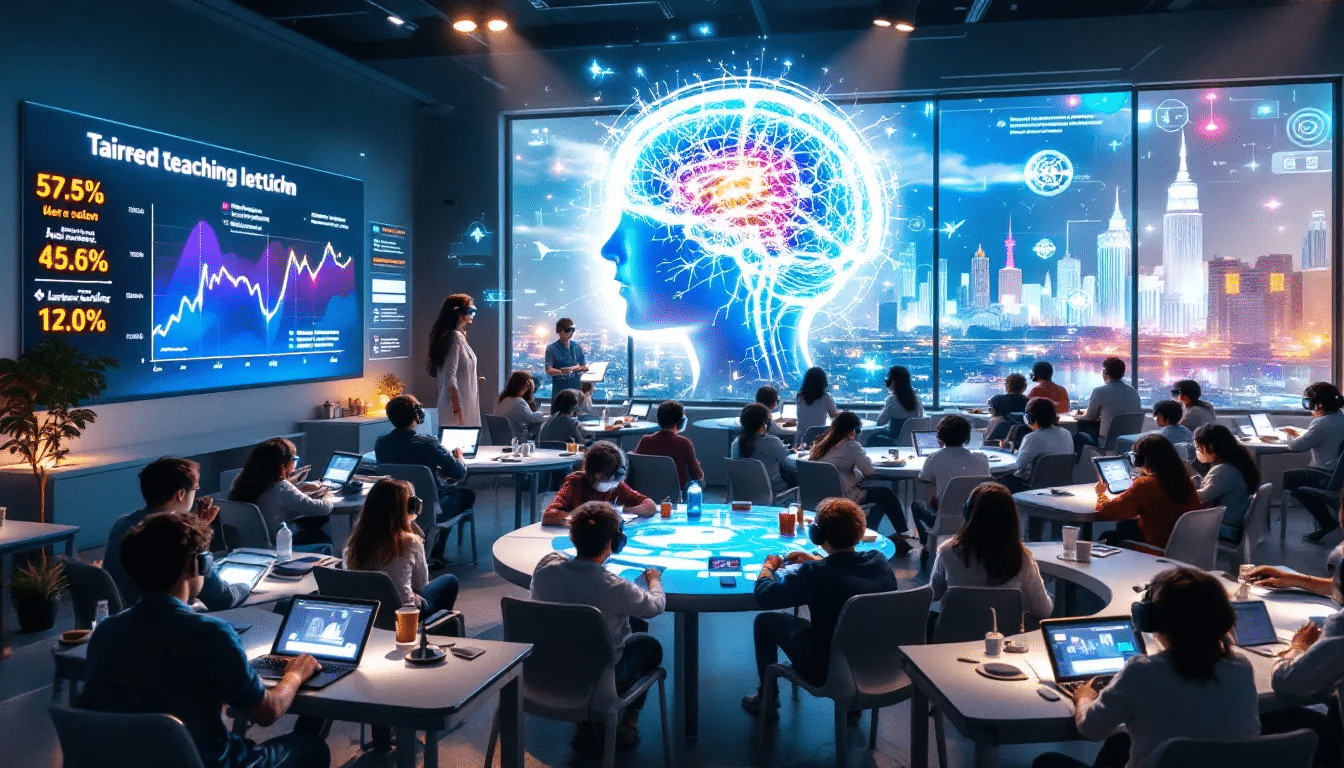
Adapting teaching methods to match students’ learning styles can lead to better educational outcomes. Differentiating instruction involves adjusting the content, process, product, and environment to meet diverse learning needs. This approach ensures all students, regardless of their preferred learning style, have equal opportunities to succeed.
Multisensory teaching, which combines visual, auditory, and kinesthetic elements, can enhance learning experiences for all students. Visual learners benefit from techniques that include diagrams, charts, and other visual aids, while auditory learners thrive in environments that emphasize listening and verbal engagement, such as discussions and lectures. Kinesthetic learners, on the other hand, excel through hands-on activities and physical engagement with the material.
Providing a variety of learning materials supports inclusivity by catering to multiple learning styles and cultural backgrounds. Allowing students to choose how they engage with the material fosters independence and accommodates various learning styles. Offering a variety of teaching methods promotes deeper understanding, better retention, and increased performance among students.
Promoting Inclusivity in the Classroom
Understanding and accommodating individual learning styles is key to promoting inclusivity in the classroom. Recognizing and adapting to students’ learning preferences creates a more inclusive environment where all students feel valued and supported. This inclusivity ensures that all students have equal educational opportunities, regardless of their background or learning preferences.
Creating a positive learning environment involves encouraging student interactions and fostering a sense of belonging. Participating in setting classroom expectations makes students feel more invested in the classroom community. Offering additional support, such as tutoring and regular communication with parents, further enhances inclusivity and ensures that all students receive the help they need to succeed.
Digital tools also play a significant role in promoting inclusivity. These tools enable teachers to tailor learning experiences to various student preferences, making education more inclusive and accessible. Recognizing individual learning differences ensures equitable access to educational opportunities for all students, creating a more inclusive educational environment.
Practical Strategies for Implementing Learning Styles
Implementing learning styles in the classroom requires practical strategies that accommodate diverse learning preferences. Flexibility in lesson planning is essential for meeting the needs of all students. Using traditional textbooks alongside multimedia resources can effectively support different learning styles, ensuring that all students can access information in their preferred format.
Providing varied options, such as written instructions, verbal instructions, and video or reading text, allows students to engage with content in ways that resonate with their learning styles. Offering choice in instructional materials empowers students to take control of their learning and engage with content that suits their preferences. Group activities provide opportunities for collaboration and learning from peers, enhancing the educational experience for all students.
Effective methods for aural learning, such as group discussion and Socratic dialogue, should be incorporated into group activities. Reading and writing learners can benefit from developing short-hand methods to manage their note-taking efficiently. Implementing these practical learning strategies helps educators create a more inclusive and effective learning environment.
Overcoming Challenges in Addressing Learning Styles
Addressing different learning styles in the classroom comes with its own set of challenges. Limited resources can create significant obstacles for personalized instruction. Teachers often face time constraints that hinder their ability to implement differentiated teaching strategies effectively. Additionally, large class sizes can impact the ability to address individual learning preferences, making it difficult to provide the personalized attention each student needs.
Teacher shortages further complicate the situation, creating difficulties in meeting every student’s needs and aligning with their learning styles. Despite these challenges, it is crucial for educators to find creative solutions to accommodate diverse learning preferences. Leveraging available resources, collaborating with colleagues, and utilizing technology helps teachers overcome these obstacles and create inclusive learning environments.
The Role of Technology in Supporting Learning Styles
Technology plays a vital role in supporting various learning styles in the classroom. Integrating technology accommodates different learning preferences, making education more inclusive and engaging. Interactive platforms and multimedia resources cater to visual, auditory, and kinesthetic learners simultaneously, providing a more comprehensive learning experience.
Visual learners benefit from digital tools that incorporate visual aids, such as diagrams and charts. Auditory learners can take advantage of audio materials and interactive discussions facilitated by technology. Kinesthetic learners, on the other hand, can engage with simulations and hands-on activities provided through educational software.
Utilizing technology allows educators to tailor learning experiences to meet the needs of all students. This strategy not only enhances engagement but also supports information retention, leading to better educational outcomes. The role of technology in supporting learning styles cannot be overstated, as it provides innovative solutions to meet the diverse needs of students.
Real-World Benefits of Understanding Learning Styles
Understanding learning styles offers numerous real-world benefits beyond the classroom. Adapting to learning styles can enhance employee motivation and improve performance at work. When individuals understand their learning preferences, they can adapt to challenges more effectively in their roles, leading to increased productivity and job satisfaction.
Awareness of learning styles also aids in identifying suitable career paths based on personal strengths. For instance, visual learners might excel in professions that require strong visual-spatial skills, while auditory learners might thrive in roles that involve extensive verbal communication. By understanding their own learning preferences, individuals can make informed decisions about their careers and pursue paths that align with their strengths.
In the workplace, understanding learning styles significantly enhances employee engagement. When employers recognize and accommodate diverse learning preferences, they create an inclusive environment that fosters collaboration and innovation. This understanding leads to better employee engagement, improved performance, and overall job satisfaction.
Summary
Understanding and accommodating learning styles is crucial for fostering student success. By recognizing different learning preferences, educators can enhance engagement, retention, and overall educational outcomes. Tailoring teaching methods to match students’ learning styles promotes inclusivity and ensures that all students have equal opportunities to succeed.
Incorporating practical strategies and leveraging technology can help overcome the challenges associated with addressing diverse learning styles. The real-world benefits of understanding learning styles extend beyond the classroom, enhancing employee motivation, performance, and engagement. As educators and employers, it is our responsibility to recognize and adapt to the unique learning preferences of individuals, creating inclusive and effective learning environments.
Frequently Asked Questions
Why is important to understand learning styles in a workplace?
Understanding learning styles in the workplace is crucial as it enables employees to excel in their individual goals and acquire new skills effectively. By recognizing these differences, organizations can enhance overall performance and foster a more productive environment.
What are the most common learning styles?
The most common learning styles are visual, auditory, and kinesthetic, which cater to different preferences in how individuals absorb information. Understanding these styles can enhance your educational effectiveness.
How can teachers assess students’ learning preferences?
Teachers should observe students during various activities and engage in conversations to effectively assess their learning preferences. This approach allows for a better understanding of individual needs and preferences.
What role does technology play in supporting learning styles?
Technology plays a crucial role in supporting diverse learning styles by offering interactive platforms and multimedia resources that cater to individual preferences and needs. This adaptability enhances the overall learning experience.
How can understanding learning styles benefit employees in the workplace?
Understanding learning styles can significantly improve employee motivation, performance, and engagement in the workplace. By tailoring training and development programs to individual learning preferences, organizations can foster a more productive and harmonious work environment.



A thought-provoking and insightful article. Educators can boost engagement, retention, and overall student success by emphasizing learning styles.