Want to excel as a teaching assistant? This guide provides top tips for teaching assistants that will help you collaborate with teachers, manage classrooms, and engage students effectively.
Key Takeaways
- Establish partnerships with class teachers through clear communication to align on expectations and strategies, creating a cohesive learning environment.
- Utilize proactive techniques and positive reinforcement to foster student engagement, support individual learning needs, and create a nurturing atmosphere.
- Invest in continuous professional development and maintain effective communication with parents to enhance the educational experience for students and improve teaching practices.
Establishing a Strong Partnership with the Class Teacher

Strong partnerships between teaching assistants and class teachers are crucial for a well-managed classroom. Transparent communication about support needs and teaching strategies is vital. A good teaching assistant ensures alignment on behaviour expectations and reinforcement strategies.
Briefing with the class teacher before the children arrive allows for asking questions and understanding the day’s lesson plans. Sharing feedback on children’s learning achievements helps the teacher adjust strategies to meet student needs, which is a crucial part of the process.
Working closely with the lead teacher aids in classroom management and boosts student engagement through dynamic lesson plans. This job partnership fosters a cohesive learning environment where students can thrive.
Being Proactive in the Classroom Environment
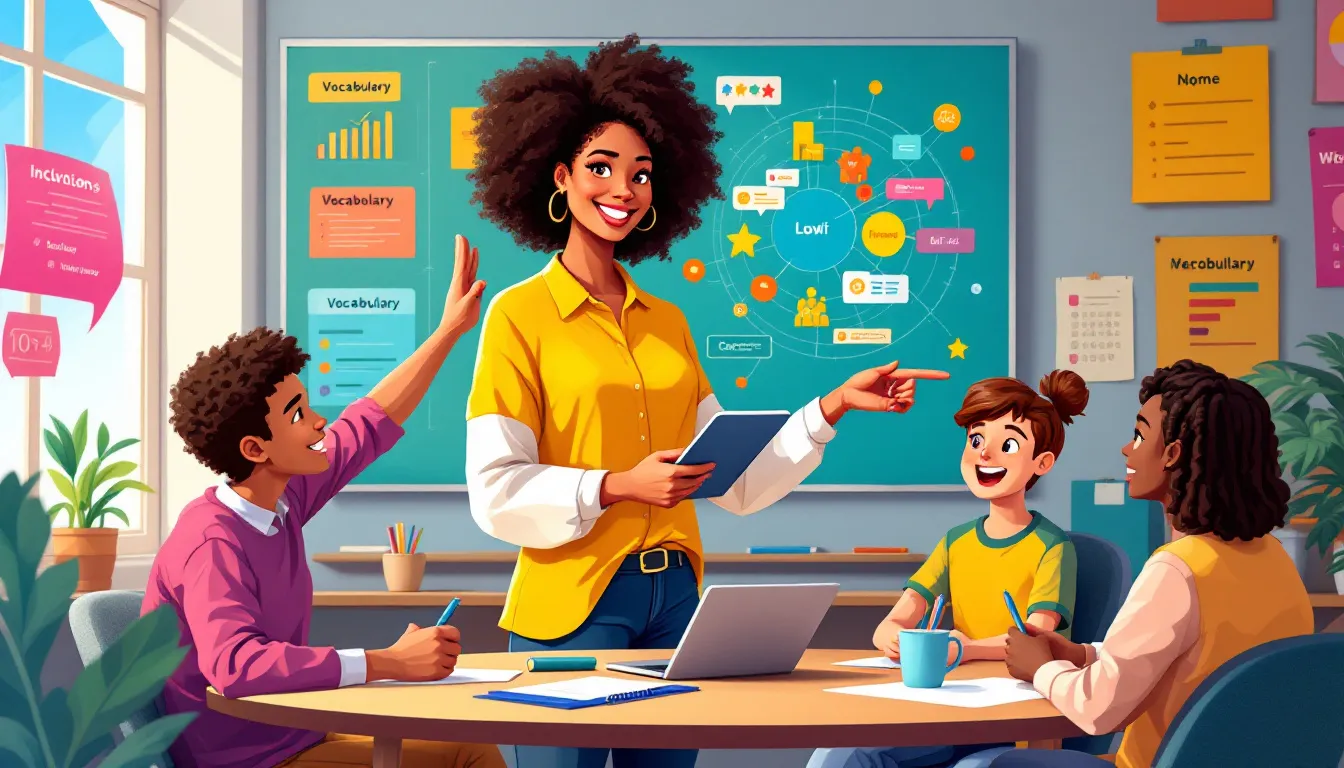
A proactive teaching assistant engages immediately upon entering the classroom, preparing resources and setting up to foster productivity. Clarifying roles and set expectations with class teachers ensures effective collaboration, which plays a crucial role in achieving success and fulfilling additional responsibilities.
Positioning yourself strategically in the classroom lets you monitor student activities and anticipate disruptions. Proactive intervention maintains a smooth atmosphere and enhances positive reinforcement by employing essential strategies.
Reinforcing teacher instructions with gestures and directing students can be highly effective. Asking reflective questions about their tasks engages students and encourages deeper thinking. Here are some top tips for guidance to enhance this process.
Implementing Positive Reinforcement Techniques
Positive reinforcement is a powerful tool for supporting teaching and encouraging good behaviour. Reinforcing expectations with praise and clear instructions creates a supportive learning environment, especially for supporting children with special educational needs (SEN).
Celebrating student achievements, no matter how small, builds a nurturing and positive atmosphere. A proactive, positive, and supportive approach to behaviour management significantly impacts the classroom environment, helping students to succeed.
Encouraging Student Participation and Engagement
The visibility of teaching assistants during lessons enhances student engagement and learning. Using visual cues or timers supports smooth transitions between activities, maintaining a structured classroom. Interactive methods boost student participation, and allowing time for questions at the end further enhances understanding and involvement.
Offering choices in learning activities fosters student involvement and enthusiasm. Incorporating personal interests into lessons boosts engagement and motivation.
Adapting Learning Activities for Individual Students
Multimedia resources like videos, images, and interactive media cater to different learning styles, enhancing the overall learning experience. Differentiated instruction accommodates various learning needs.
Teaching assistants help with various tasks by breaking the task into manageable steps. Encouraging student independence fosters ownership of their learning, creating a more engaging and personalized environment.
Tools like mini whiteboards and pens help children understand learning concepts, making abstract ideas more tangible and easier to grasp, enhancing their knowledge to support children in their play. This approach is key for each child to learn and share ideas.
Building Positive Relationships with Students
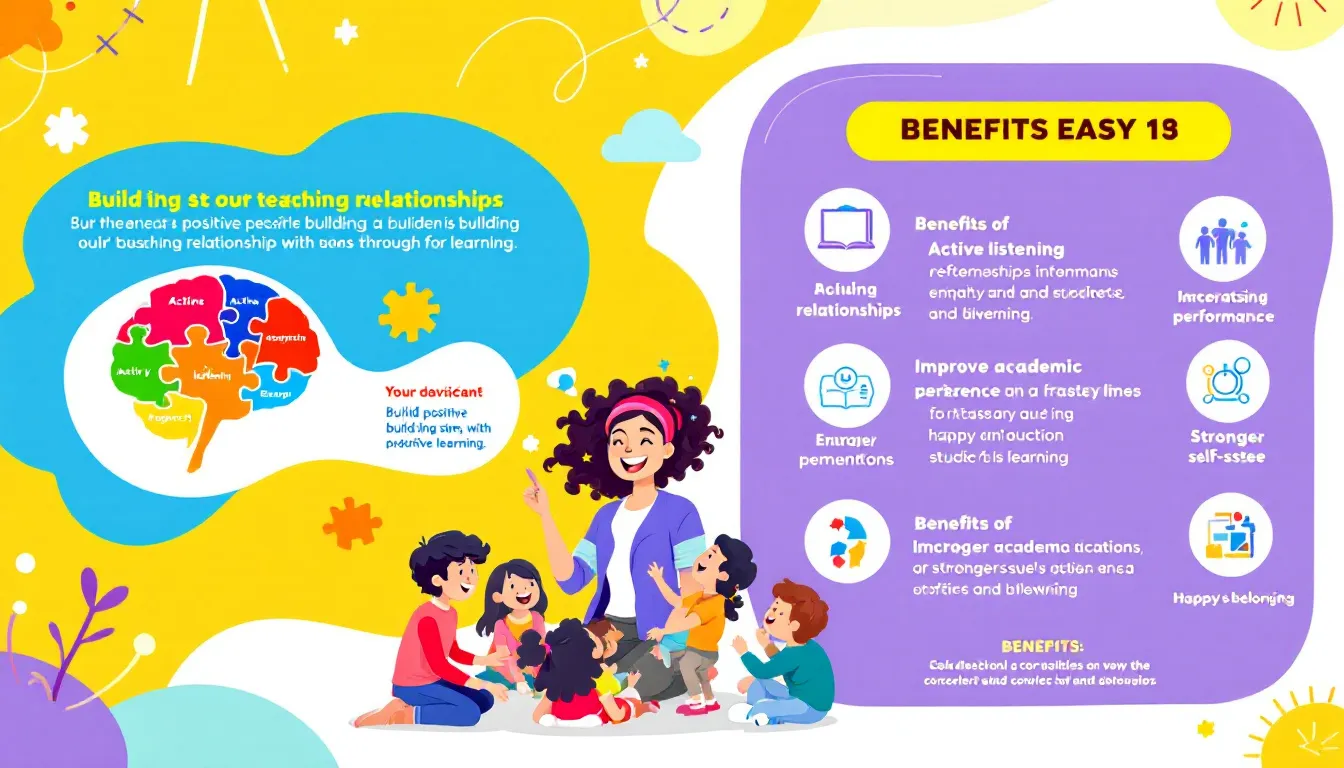
A supportive and welcoming classroom environment encourages students to feel secure, essential for effective learning. Positive reinforcement nurtures an atmosphere conducive to learning.
Effective communication fosters trust and encourages students to express their confidence. Building rapport enhances their receptiveness to support, making them more open to learning and participation. To communicate effectively, it is essential to create an environment where students feel valued.
Active listening fosters an environment where students feel valued and understood. Encouraging open dialogue about emotions and challenges strengthens the bond between teaching assistants and students, contributing to a supportive learning experience.
Investing time in positive relationships with students enhances their learning experiences and performance. A positive impact demeanor in the classroom boosts student engagement and academic success.
Utilizing Multimedia Resources for Enhanced Learning
Multimedia resources enhance student engagement with interactive elements like quizzes and simulations, making learning immersive. These resources cater to various learning styles and support specific learning objectives, making lessons dynamic and engaging.
Access to diverse online multimedia resources empowers educators to go beyond traditional textbooks, enriching lesson plans. This approach supports teaching and makes learning more enjoyable and effective.
Delivering Effective Small Group Interventions
Small group interventions address diverse student needs, providing tailored support. Effective communication and coordination maximize these interventions’ impact.
Teaching assistants facilitate discussions, listen, create rapport, and deliver tailored support in small group interventions. Regularly monitoring student progress allows for adapting strategies and interventions in a sen teaching assistant role.
A rewards system can motivate positive behaviour and active engagement in class activities. Tailored support in small groups addresses individual learning needs, enhancing the overall experience.
Continuous Professional Development
Continuous professional development (CPD) enhances teaching assistants’ skills and improves educational practices through effective training. Effective CPD programs should focus on practical application and be affordable and enjoyable.
Collaboration and expert feedback are crucial for successful CPD programs. A supportive school culture enhances CPD effectiveness, encouraging teaching assistants to assess their skills and identify development needs.
A competency framework guides teaching assistants in identifying essential skills and behaviours for their role, aiding their progress and success.
Effective Communication with Parents and Guardians
Effective communication with parents and guardians supports children’s learning and development. Regular updates on student progress enhance collaboration. Utilizing various channels like emails, newsletters, and meetings caters to diverse parental preferences.
Establishing trust through honest and open dialogue fosters better relationships with families. Involving parents in decision-making processes regarding their child’s education leads to more effective partnerships and better student outcomes, emphasizing the importance of responsibility.
Summary
Summarize the key points covered in the blog post, emphasizing the importance of each strategy discussed. Reinforce the significance of the teaching assistant role and the positive impact it can have on students’ learning experiences.
End with an inspiring phrase encouraging teaching assistants to continue their impactful work, highlighting the importance of their contributions to the educational environment.
Frequently Asked Questions
How can teaching assistants establish a strong partnership with the class teacher?
To establish a strong partnership with the class teacher, prioritize clear communication about support needs, understand lesson plans, and regularly provide feedback on student achievements. This collaborative approach will enhance both teaching and learning experiences!
Why is being proactive in the classroom environment important for teaching assistants?
Being proactive in the classroom is crucial for teaching assistants as it fosters a productive environment and enables them to anticipate and manage disruptions effectively. This not only enhances the learning experience for students but also showcases your dedication to their success.
How can positive reinforcement techniques benefit students with special educational needs (SEN)?
Positive reinforcement fosters a nurturing learning environment that boosts confidence and encourages good behavior in students with special educational needs. By celebrating their achievements, you empower them to thrive and reach their full potential!
What role do multimedia resources play in enhancing learning?
Multimedia resources significantly enhance learning by making it more immersive and engaging, accommodating different learning styles through interactive elements like quizzes and simulations. Embrace these tools to transform your educational experience!
Why is continuous professional development important for teaching assistants?
Continuous professional development is crucial for teaching assistants as it sharpens their skills and improves their ability to support students effectively, leading to career progression. Embracing this growth fosters a more enriching learning environment for everyone involved!