A teaching assistant course equips you with essential skills to support teachers and students effectively. By enrolling, you will learn lesson planning, classroom management, and strategies to aid diverse learners. These courses prepare you for a pivotal role in educational settings, offering invaluable support to teachers and enhancing student outcomes. Read on to discover the types of courses available, the skills you will develop, and how to choose the right course for you.
Key Takeaways
Teaching assistant courses provide essential skills and knowledge for individuals to support educators and students in various classroom settings, requiring no formal qualifications to enroll.
These courses range from entry-level to advanced qualifications, allowing participants to build expertise progressively and support diverse learning needs, with practical work placements serving as a crucial component.
Enrolling in teaching assistant courses offers significant benefits, including flexible learning options, recognized qualifications, and enhanced employment prospects in the educational sector.
What is a Teaching Assistant Course?
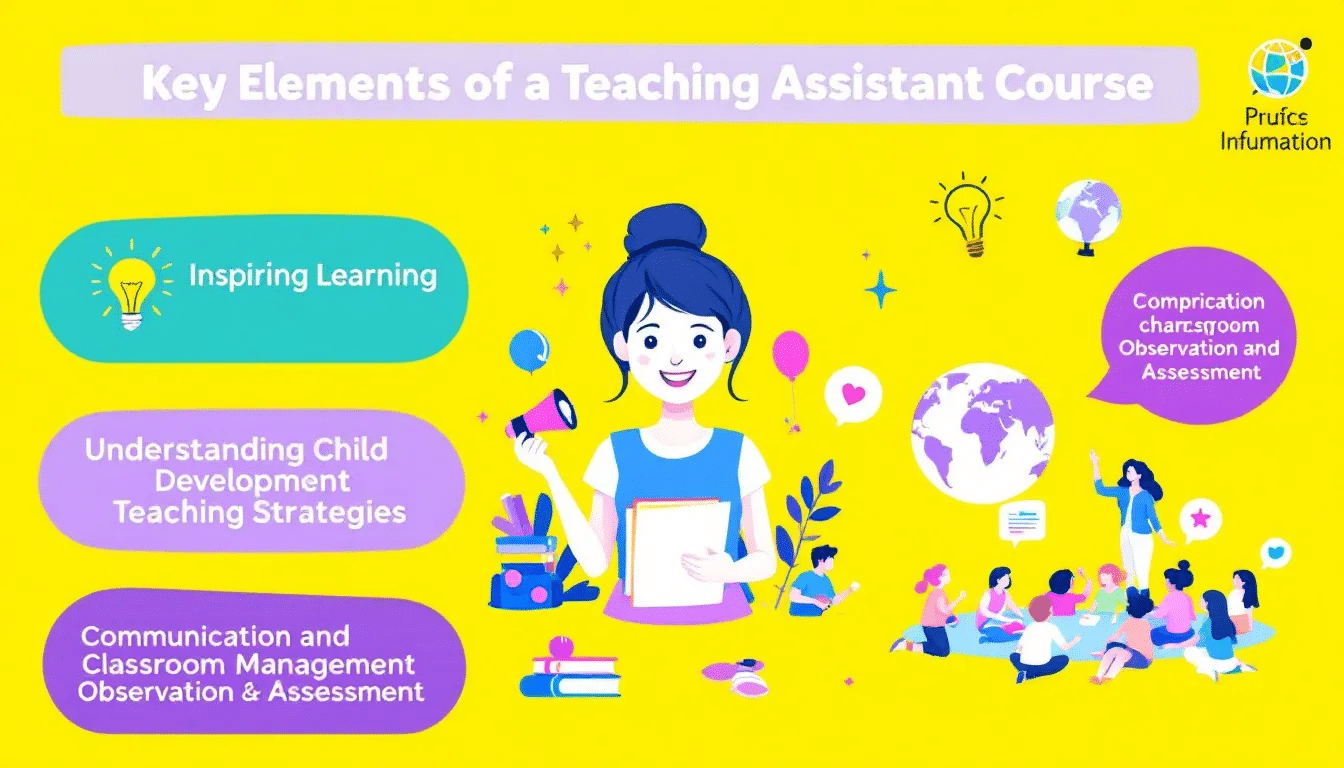
Teaching assistant courses equip individuals with the necessary skills and knowledge to support teachers and students in a classroom setting. Experienced educators meticulously create these courses, aligning the curriculum with real-world teaching assistance needs. Unlike many professional fields, no formal qualifications or a degree are required to begin a teaching assistant course. This accessibility makes it an attractive option for those looking to enter the education sector.
The primary goal of teaching assistant courses is to enhance classroom learning and provide substantial support to educators. Participants learn how to assist with lesson planning, manage classroom environments, and support diverse learners effectively. They gain insight into the various responsibilities of a teaching assistant, preparing them for the multifaceted role in schools.
Whether delivered online or in-person, these courses offer a blend of theoretical knowledge and practical skills. Upon completing the program, participants are ready to step into the role of a teaching assistant, positively impacting students’ educational experiences.
Types of Teaching Assistant Courses
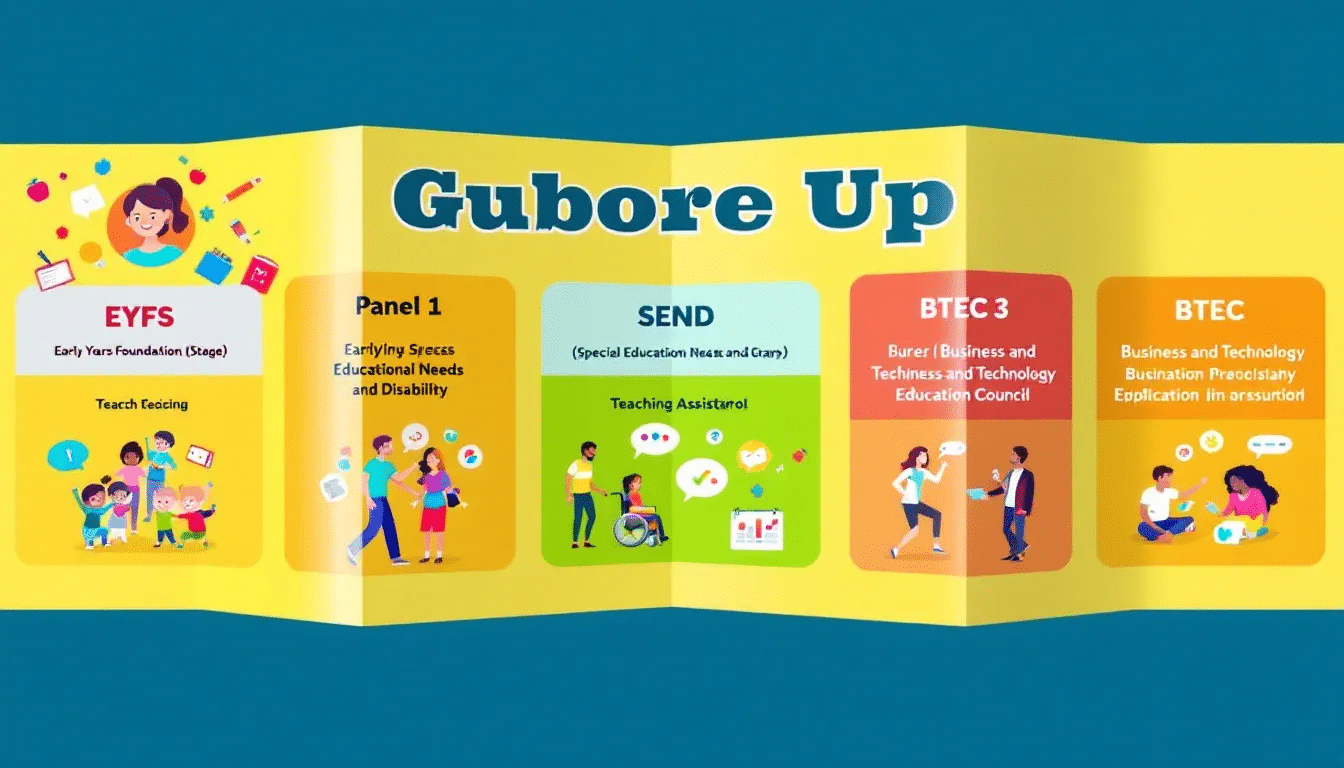
Teaching assistant courses cater to different levels of experience and expertise. They range from basic qualifications that introduce individuals to the field to advanced courses for higher responsibilities and specialized roles. This structured pathway ensures that there is a suitable course for everyone, regardless of their current qualifications or career goals.
These courses typically range from Level 1 to Level 4, each level building on the previous one and offering more in-depth knowledge and skills. Course prices vary depending on the qualification level, allowing individuals to choose one that fits their budget and career aspirations.
Additionally, the curriculum covers essential responsibilities such as lesson planning assistance and support for diverse learners.
Entry-Level Courses
Entry-level courses, such as Level 1 qualifications, are designed for individuals who are new to the teaching assistant field. These courses provide a foundational understanding of the role and prepare participants for further studies. They introduce basic skills and knowledge, making them an excellent starting point for those looking to enter the education sector without prior experience.
As participants progress to Level 2, they delve deeper into the responsibilities of a teaching assistant. These courses often include practical work placements, allowing individuals to apply their theoretical knowledge in real classroom settings. This hands-on experience is invaluable, bridging the gap between study and practice, and enhancing the qualifications of aspiring teaching assistants.
Advanced Courses
Advanced teaching assistant courses cater to those seeking higher qualifications and specialized skills. Courses like the Higher Level Teaching Assistant (HLTA) Level 4 and Level 5 focus on advanced skills and deeper knowledge necessary for increased responsibilities in educational settings. These courses cover specialized topics, including supporting students with Special Educational Needs (SEN) and creating safe learning environments.
Advanced courses typically require around 180 hours of study, which can be completed flexibly to suit the learner’s schedule. Unlike many traditional programs, these courses often do not require exams, allowing participants to focus on practical and applicable knowledge. Upon completion, participants receive certification from recognized institutions, ensuring their skills and knowledge are acknowledged and valued in the education sector.
Graduates of advanced courses are well-equipped to manage diverse classroom environments and address individual student needs effectively. This enhanced capability makes them invaluable assets in any educational setting, opening doors to more significant career opportunities.
Benefits of Enrolling in Teaching Assistant Courses

Teaching assistant courses offer numerous personal and professional benefits. One of the most significant advantages is the flexibility of learning options. Many programs, including teaching assistant courses online, allow participants to study from home and fit their education around job and family commitments. This flexibility allows individuals to pursue further education without disrupting their daily lives.
These courses also enhance career opportunities by providing recognized qualifications that are highly valued by schools. Participants often find that their confidence in supporting teaching and educating students grows significantly as they progress through the course. The supportive learning environment encourages peer collaboration, fostering a sense of community and shared learning.
Practical work experience is another crucial benefit. Many programs recommend completing 50 to 200 hours of practical work experience. This hands-on training is essential for developing the skills needed to support teachers and students effectively. Employers often prefer candidates who have completed work placements, as it demonstrates commitment and real-world understanding.
Online vs. In-Person Learning
Choosing between online and in-person learning depends on personal preferences, learning styles, and schedules. Teaching assistant courses online offer unparalleled flexibility, allowing participants to start learning immediately from home and fit their studies around existing commitments. This format can be more economical by eliminating travel and accommodation costs.
Online courses also provide extensive resources like interactive webinars, videos, and live catch-up sessions, ensuring that students receive continuous support and guidance from their tutors. Some students may feel isolated online, missing the social engagement and direct interaction of in-person classes. Additionally, technical issues can sometimes impede the learning experience, requiring reliable internet and digital literacy.
On the other hand, in-person classes provide a structured environment that helps students stay accountable and focused. Hands-on experiences, which are essential for some subjects, can be more effectively delivered through in-person learning. Ultimately, the choice between online and in-person learning should be based on what best suits the individual’s needs and circumstances.
Key Skills Developed in Teaching Assistant Courses

These courses develop essential skills needed to support learning in diverse educational environments. One of the key areas of focus is classroom management. Effective classroom management techniques help address challenging behaviors among students, creating a conducive learning environment. Additionally, teaching assistants learn how to communicate effectively with educators and other staff members, ensuring a cohesive approach to teaching.
Another critical skill developed through these childcare courses is an understanding of child development. Understanding child development stages and needs is vital for effective student support, especially when working with children. Courses often cover child development, preparing teaching assistants for real-world teaching environments. Practical experience through placements further reinforces these skills, providing hands-on training in lesson planning and classroom activities.
Moreover, teaching assistants cultivate strong interpersonal abilities, enabling them to foster positive relationships with students and staff. Skills in literacy and numeracy are also developed to assist students with academic tasks. Flexibility, creativity, and organizational skills are crucial for adapting teaching methods to meet diverse learning needs. These comprehensive skills ensure teaching assistants effectively support learning and contribute positively to the educational experience.
Special Educational Needs (SEN) Training
Special Educational Needs (SEN) training equips individuals with the skills needed to effectively support students with special educational needs. SEN training courses online provide essential strategies for assisting children with varying needs, including those with autism and managing distressing behaviors. This specialized training ensures that teaching assistants can create inclusive and supportive learning environments for all students.
Advanced courses often prepare teaching assistants for specialized roles, focusing on SEN. In England, free online SEN courses are available for adults, offering valuable training without financial cost. Enrolling in SEN training allows teaching assistants to significantly impact children’s lives, ensuring every student has the opportunity to succeed.
Practical Experience and Work Placements
Practical experience and work placements are essential components of teaching assistant courses. These opportunities allow students to apply learned concepts in real classroom settings, bridging the gap between theory and practice. Practical training reinforces theoretical knowledge and develops essential skills needed for the role.
Certificate or Diploma courses in teaching assistant programs typically require work placements, whereas Award courses do not. Completing practical assessments and work placements significantly enhances employability, making graduates more attractive to employers.
This practical experience is invaluable for those seeking a rewarding career in education.
Certification and Accreditation
Certification and accreditation are vital for the value and recognition of teaching assistant courses. Courses accredited by recognized bodies like NCFE CACHE and TQUK are known for their quality and relevance in education. These accreditations ensure qualifications meet national standards and are respected by employers.
The Regulated Qualifications Framework (RQF) categorizes recognized qualifications, providing clarity on their level and value. Level 4 qualifications, for instance, require candidates to already be employed as teaching assistants and typically involve additional responsibilities.
When selecting a teaching assistant course, it is crucial to choose one that is accredited by a recognized body to ensure the qualification’s legitimacy and enhance employability.
Flexible Payment Options
Flexible payment options make teaching assistant courses accessible to a broader range of individuals. Students can pay in full or opt for interest-free monthly installments. Payment plans typically do not require a credit check, and some courses allow students to enroll with a minimal upfront payment, spreading the costs over several months.
Additionally, courses can be invoiced directly to schools, facilitating ease of payment and enrollment.
Support and Resources Available
Support and resources significantly enhance the learning experience in teaching assistant courses. Courses that provide tutor support and personalized feedback make it easier for students to grasp the material and achieve their goals. Comprehensive materials and resources help students complete their qualifications successfully.
A strong support system is essential for students to succeed in their studies. These systems encourage well-being and ensure that students have the necessary assistance to overcome challenges. By offering robust support and resources, teaching assistant courses create an environment conducive to learning and personal development.
How to Choose the Right Course for You
Choosing the right teaching assistant course requires considering factors like career goals, course objectives, and recognition. It’s crucial to understand what each course offers and how it aligns with your career aspirations. Additionally, considering payment options and the course’s accreditation status can help ensure you select a program that meets your needs.
It is also important to choose a course that provides a solid foundation for your desired career path. Whether you are looking to enter the field or enhance your existing skills, selecting the right course can make a significant difference in achieving your career goals.
Start Your Journey Today
Starting your journey to becoming a qualified teaching assistant begins with enrolling in a teaching assistant course. These courses provide a comprehensive foundation of skills essential for supporting teachers and learners in the classroom.
With flexible learning options and access to resources and tutor support, you can balance your education with other commitments and achieve success at your own pace. Take the first step towards a rewarding career in education today without delay.
Summary
In conclusion, teaching assistant courses offer a structured pathway to becoming a qualified professional in the education sector. From entry-level to advanced courses, the benefits of enrolling are numerous, including career enhancement, flexible learning options, and practical experience. Whether you choose online or in-person learning, these courses equip you with the essential skills needed to support educators and students effectively. Start your journey today and make a significant difference in children’s lives.
Frequently Asked Questions
What courses do I need to be a teaching assistant?
To become a teaching assistant, you typically need qualifications such as the Level 2 Award in Support Work in Schools or the Level 3 Teaching Assistant Diploma. Obtaining these certifications will enhance your qualifications for the role.
What qualifications do I need to start a teaching assistant course?
To start a teaching assistant course, you do not need any formal qualifications or a degree. This opens the pathway for many aspiring individuals to enter the field.
Are teaching assistant courses available online?
Yes, many teaching assistant courses are available online, providing flexibility and convenience for learners.
What are the benefits of completing a teaching assistant course?
Completing a teaching assistant course enhances your career prospects while providing practical experience and essential skills for effectively supporting both educators and students. This training prepares you for a rewarding role in the educational field.
What is the difference between entry-level and advanced teaching assistant courses?
The primary difference between entry-level and advanced teaching assistant courses lies in the depth of content; entry-level courses offer foundational knowledge and skills, whereas advanced courses emphasize specialized skills and greater responsibilities. Therefore, selecting the appropriate course depends on your current skill level and career aspirations.