If you want to know what qualifications do I need to be a SEN support assistant in the classroom, you will primarily need specialized training and relevant certifications like the Level 3 Diploma in Teaching Assistant (Special Support for Teaching and Learning in Schools). This article will break down the key qualifications, necessary courses, and additional skills you need to embark on this rewarding career.
Key Takeaways
- A Level 3 Diploma in Teaching Assistant (Special Support for Teaching and Learning in Schools) is essential to become a SEN support assistant, along with relevant training and experience.
- Entry-level courses and apprenticeships provide valuable pathways into the SEN teaching assistant role, offering practical experience and formal qualifications.
- Continuous professional development and specific skills, such as Makaton and active listening, enhance the effectiveness of SEN support assistants in helping students with special educational needs.
Understanding the Role of a SEN Support Assistant
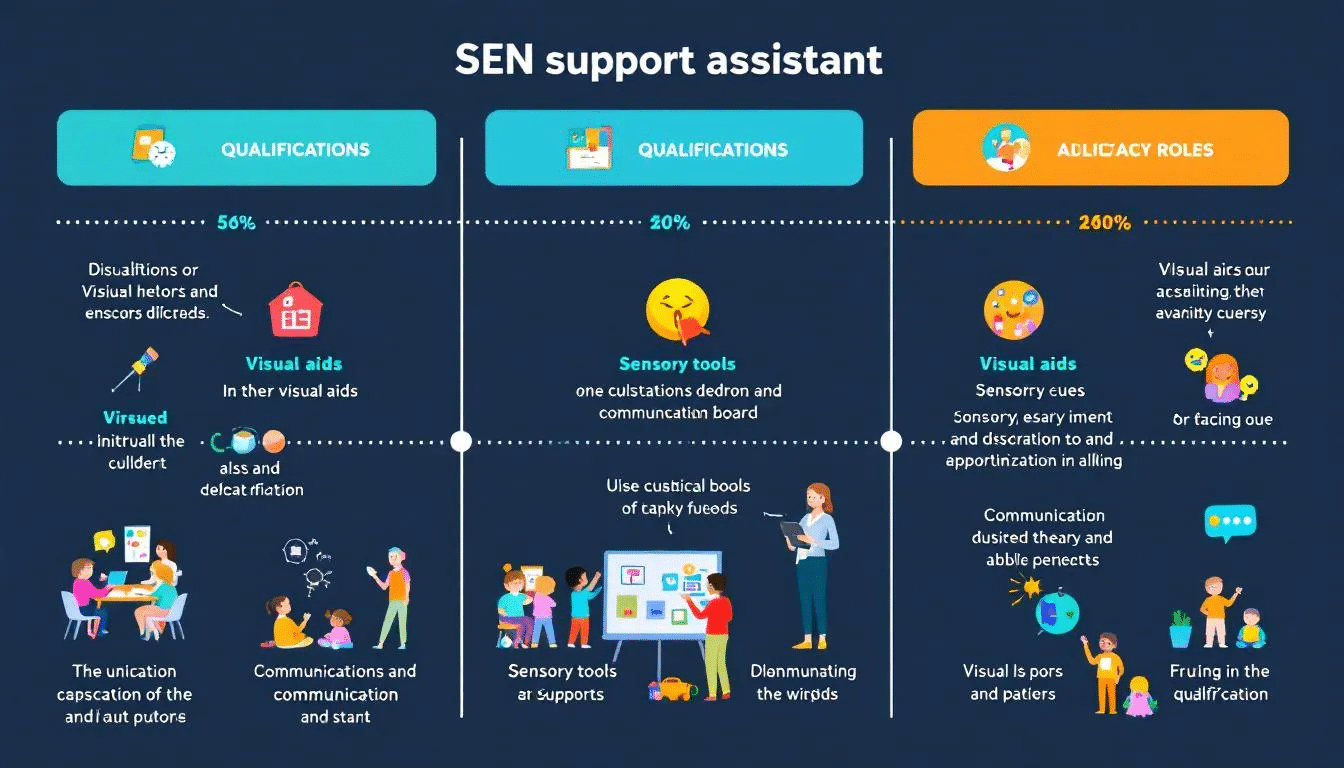
The role of a SEN teaching assistant is multifaceted and incredibly impactful. SEN teaching assistants are essential in helping children and young people with various additional needs access education and achieve their potential. They work closely with teachers to adapt lessons and implement Individual Education Plans (IEPs) tailored to each student’s unique needs. This collaboration ensures that every child receives the personalized support they require to thrive academically.
But the role goes beyond academic support. SEN teaching assistants also focus on fostering the social and emotional support skills of students, aiding in their interactions and participation. This might involve helping children develop friendships, manage emotions, and navigate social situations, which are critical skills for their overall development. Supporting children is essential for achieving these goals. Needs sen teaching is essential for achieving these goals. Additionally, sen ta plays a vital role in classroom assistant roles in this process.
Managing challenging behaviors is another significant aspect of the job. SEN teaching assistants use positive reinforcement and de-escalation techniques to maintain a supportive and safe learning environment. Addressing behavioral issues with empathy and skill helps students stay engaged and focused on their learning while managing behaviour effectively.
Monitoring student progress helps assess the effectiveness of interventions and allows for necessary adjustments to learning plans. Special educational needs SEN teaching assistants sometimes provide personal care for students with physical disabilities or medical conditions. This holistic approach to pastoral care ensures that all aspects of a child’s well-being are considered, making the role of classroom assistant both challenging and deeply rewarding.
Essential Qualifications for SEN Support Assistants
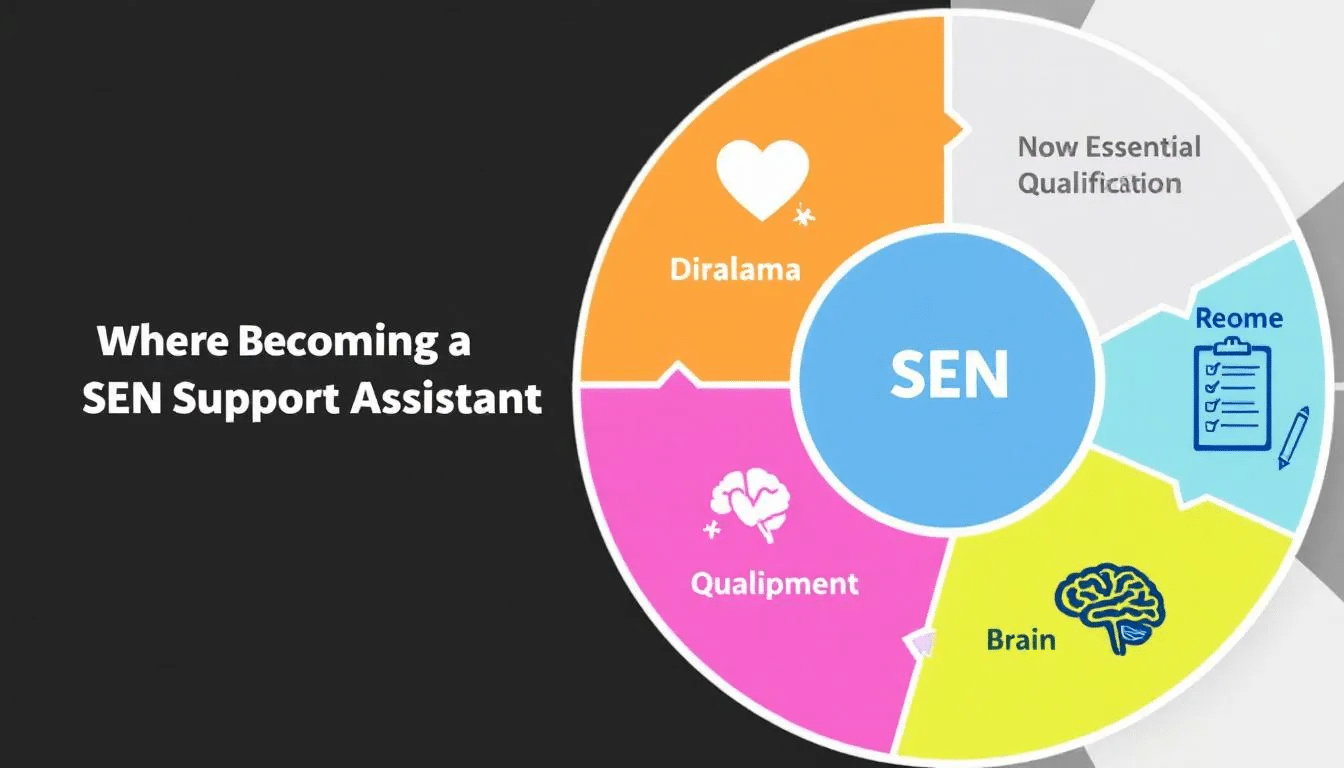
Starting a career as a SEN teaching assistant requires the right qualifications. A primary qualification required is the Level 3 Diploma in Teaching Assistant (Special Support for Teaching and Learning in Schools). This qualification equips you with the foundational skills and knowledge necessary to support children with special educational needs effectively.
Employers often seek candidates with relevant training, such as the NCFE CACHE Level 3 Award in Supporting Individuals with Learning Abilities or the SEN Level 3. These courses provide specialized training that can make you a more competitive candidate for teaching assistant jobs. The UK government offers courses leading to accredited Level 2 certificates, providing a stepping stone for newcomers to the educator t level field.
A degree is not necessary to become a SEN teaching assistant, but relevant training or experience is important. Additional qualifications, such as knowledge of British Sign Language or Makaton, can further enhance your application. Many aspiring SEN teaching assistants have backgrounds as classroom teachers or experience in mainstream schools, bringing valuable skills and perspectives to their roles.
Entry-Level Courses for Aspiring SEN Support Assistants
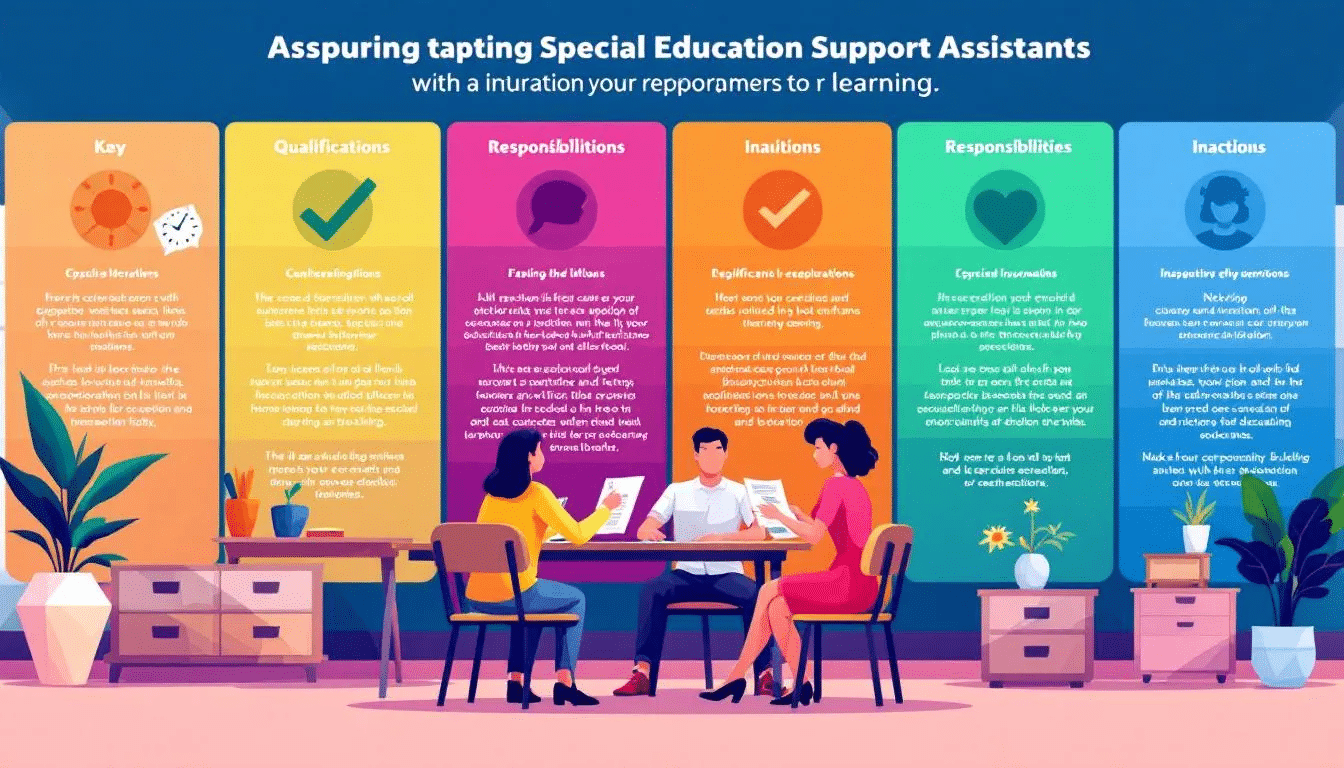
The journey to becoming a SEN teaching assistant often begins with entry-level college course assistant courses. Free online training courses offering specialized training are available at no cost. These courses are a great way to gain foundational knowledge and see if this career path is the right fit for you.
The Level 3 Certificate in Supporting Teaching and Learning in Schools is specifically designed for those interested in becoming SEN support assistants. Examples include the NCFE CACHE Level 3 Award in Supporting Individuals with Learning Abilities and the Special Education Needs SEN Level 3. These courses typically take between six weeks to two years to complete, depending on the program’s intensity and your availability.
For those without prior experience, the Level 2 Award in Support Work in Schools is a great starting point. This course has no entry requirements, making it accessible for anyone eager to start a career in special education. Completing these entry-level courses opens doors to advanced training and job opportunities in the field.
Advanced Certifications and Diplomas
Obtaining advanced certifications and diplomas is a worthwhile investment for career advancement. Becoming a SEN teaching assistant requires the Level 3 Diploma in Specialist Support for Teaching and Learning in Schools. This qualification is a requirement for the role. This diploma involves completing 16 mandatory units and undertaking a practical placement totaling at least 200 hours in a learning environment.
The Level 3 Diploma can be completed within 1 to 18 months, offering a flexible yet rigorous pathway for aspiring SEN support assistants. This qualification equips you with essential skills and allows progression to higher certifications, such as the Level 4 Certificate for Advanced Practitioners.
Advanced qualifications can significantly enhance your career opportunities and effectiveness in supporting students with special educational needs and learning difficulties at a special needs school and other qualifications necessary skills assistant qualification.
Apprenticeships as a Pathway
Apprenticeships provide a practical and structured pathway into the role of a SEN learning support assistant. Key features include:
- Programs like the Teaching Assistant Level 3 advanced apprenticeship offer hands-on experience while leading to formal qualifications.
- These apprenticeships typically last 15 to 18 months.
- They include regular tutor visits for guidance and progress tracking.
A significant benefit of apprenticeships is that they are often fully funded through the Apprenticeship Levy, meaning no cost to the apprentice. This makes apprenticeships accessible for many aspiring SEN support assistants. With no specific requirements to join, apprenticeships provide a valuable opportunity to gain practical experience and formal qualifications simultaneously.
Volunteering and Gaining Experience
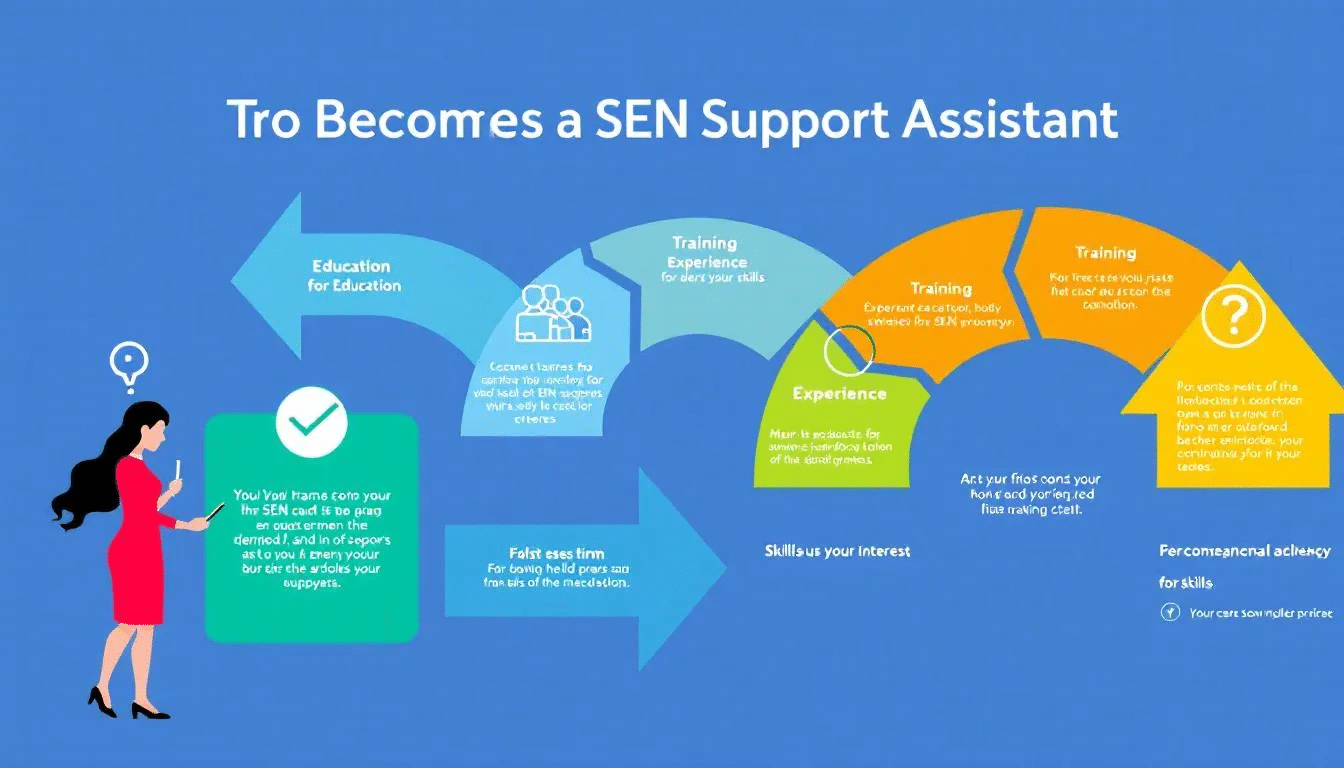
Gaining relevant experience is crucial for understanding the challenges faced by students with SEN and the skills required to support them effectively. Volunteering demonstrates your commitment and helps you acquire essential skills. Valuable experience can be gained by working in schools, volunteering for charities, or supporting a family member with SEN.
Volunteering offers several benefits:
- Enhances your resume
- Provides a firsthand look at the day-to-day responsibilities of a SEN support assistant
- Can be a stepping stone to a paid position
- Offers networking opportunities that may lead to job offers in the field
Working closely with students, teachers, and other professionals provides insights into effective teaching strategies and behavior management techniques to help children through youth work in a classroom environment. This hands-on experience is invaluable and can significantly boost your confidence and competence.
Additional Skills and Training
Specific skills and training can significantly enhance your effectiveness as a SEN support assistant. Learning Makaton, a simplified sign language, is particularly beneficial because:
- Makaton aids communication with individuals facing speech or language challenges.
- Using Makaton in the classroom can improve student engagement.
- It helps build better relationships with students.
Simple Makaton signs, like greetings, can positively impact classroom dynamics. Developing active listening skills is crucial for understanding students’ needs and concerns. This skill helps create a supportive and inclusive learning environment where students feel heard and valued.
Specialized training in understanding mental health conditions and physical disabilities is also advantageous. These additional skills make you a more competitive candidate and enable you to provide better student support.
Professional Development Opportunities
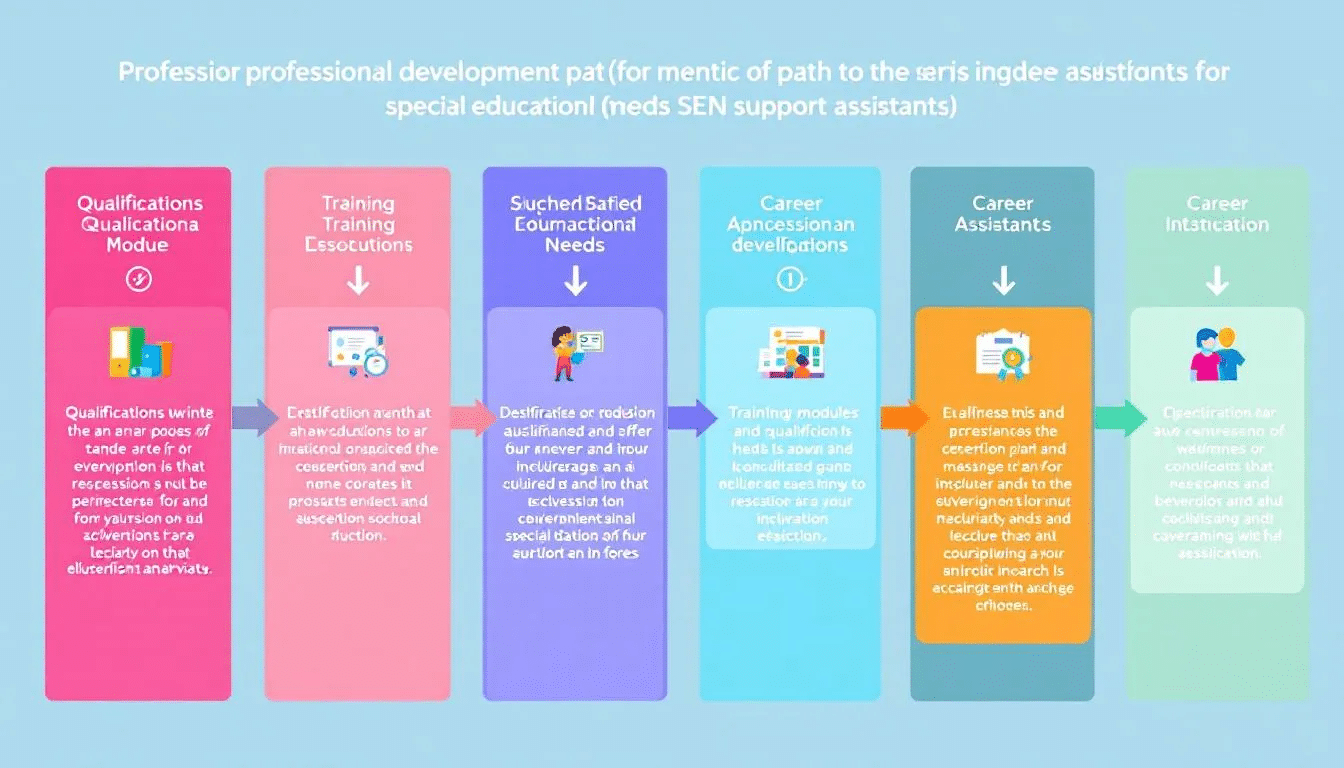
Ongoing professional development is vital for SEN teaching assistants to stay updated with the latest educational practices and improve their skills. Continuing professional development (CPD) enhances job performance and career growth. Many organizations offer bespoke CPD courses tailored to specific educational settings.
Benefits and opportunities include:
- Online CPD resources allow you to learn at your own pace and focus on relevant topics.
- Volunteering can lead to networking opportunities that may result in mentorship or job offers in special education.
- Participating in SEND reviews and assessments helps teaching assistants understand and improve their practices.
Continually developing your skills and knowledge ensures you provide the best support to your students and advance your fulfilling career in special education, positively impacting students’ lives in a supportive learning environment.
Navigating Job Vacancies and Applications
Finding and applying for SEN teaching assistant jobs requires thorough research and preparation. Consider the following steps:
- Check job vacancies for specific entry requirements.
- Use organizations like Impact Teachers to assist in finding the right teaching assistant jobs.
- Seek help from such organizations with school recruitment.
Researching a school’s SEN policies and values enhances interview preparation. During interviews, be ready to answer scenario-based questions assessing your practical problem-solving skills. Demonstrating empathy and understanding towards SEN students during interviews shows your commitment to their well-being.
A portfolio of past work creates a memorable impression and sets you apart from other candidates. Highlighting your qualifications, experience, and dedication increases your chances of securing a rewarding position as a SEN support assistant and demonstrates the value of effective support staff.
Summary
Embarking on a career as a SEN support assistant is both challenging and rewarding. From understanding the role and obtaining the necessary qualifications to exploring advanced certifications, apprenticeships, and professional development opportunities, there are many pathways to success. Volunteering and gaining practical experience are crucial steps that can lead to fulfilling career opportunities.
By continuously developing your skills and knowledge, you can provide the best support for children with special educational needs and make a significant impact on their lives. Whether you’re just starting or looking to advance your career, this guide offers a comprehensive roadmap to becoming an effective and compassionate SEN support assistant.
Frequently Asked Questions
What is the primary qualification needed to become a SEN teaching assistant?
The primary qualification required to become a SEN teaching assistant is the Level 3 Diploma in Specialist Support for Teaching and Learning in Schools. This credential ensures that you possess the necessary skills and knowledge to effectively support students with special educational needs.
Are there any free courses available for aspiring SEN support assistants?
Yes, aspiring SEN support assistants can access free online courses that offer specialized training in this field. This is an excellent opportunity to build your skills without any financial burden.
How long does it take to complete the Level 3 Diploma?
The Level 3 Diploma can be completed in a timeframe of 1 to 18 months, depending on the individual’s pace and circumstances.
Can volunteering lead to a paid position as a SEN support assistant?
Volunteering can indeed lead to a paid position as a SEN support assistant, as it showcases your dedication and helps you develop vital skills in the field. This proactive approach not only enhances your resume but also builds valuable connections in the educational sector.
What additional skills can enhance my effectiveness as a SEN support assistant?
Enhancing your effectiveness as a SEN support assistant can be achieved by learning Makaton, developing active listening skills, and gaining a deeper understanding of mental health conditions and physical disabilities. These skills will enable you to better support and communicate with the children in your care.