Pace teaching uses Playfulness, Acceptance, Curiosity, and Empathy to make classrooms more supportive and engaging. PACE strategies help build trust between teachers and students, creating a foundation for emotional security that is essential for effective learning and emotional regulation.
- Embrace the PACE model—Playfulness, Acceptance, Curiosity, and Empathy—to transform classroom dynamics and support emotional well-being in students.
- Implementing PACE strategies fosters a safe and engaging learning environment that enhances emotional regulation, encourages self-exploration, and improves academic performance.
- Ongoing training and professional development for educators are crucial in successfully integrating best practices in education, ensuring they can support all pupils effectively, regardless of their class or year group.
Understanding PACE Teaching

PACE, an acronym for Playfulness, Acceptance, Curiosity, and Empathy, represents a comprehensive approach to teaching that focuses on the whole child, not just their behavior. The PACE model is designed to create a safe learning environment and improve the quality of teaching by emphasizing emotional connection and empathy. Grounded in attachment theory and neuroscience, PACE highlights the importance of empathy and connection for healing, making it particularly effective for children who have faced trauma.
Through Playfulness, children feel safe and reassured in their learning environment. Acceptance involves explicitly validating and acknowledging a child’s feelings without judgment, recognizing the importance of understanding a child’s feelings to foster emotional awareness and openness. Curiosity encourages children to explore their experiences and emotions, promoting self-awareness. Empathy provides comfort and emotional support, helping students feel less isolated during difficult times.
This holistic approach fosters self-exploration, emotional closeness, and secure attachments in educational settings, promoting self care and emotional wellbeing. The PACE approach also supports the development of a child’s ability to regulate emotions, communicate effectively, and process sensory information, which are essential skills for overall well-being.
The Core Principles of PACE Teaching
Understanding the transformative power of PACE teaching involves exploring its core principles: Playfulness, Acceptance, Curiosity, and Empathy. Each principle plays a crucial role in creating a supportive and engaging learning environment. Importantly, each principle guides how educators respond to students’ emotional and behavioral needs, encouraging thoughtful and empathetic reactions rather than reactive or punitive responses.
Playfulness fosters positive feelings and engagement among students by reducing defensiveness and promoting joy. Acceptance involves the unconditional recognition of a child’s feelings, helping them feel safe and understood without judgment. Curiosity encourages children to communicate their thoughts and emotions actively, fostering self-awareness and reflection. Empathy provides comfort and emotional support, ensuring students do not feel alone during difficult times. It feels essential to create an environment where these elements thrive.
Each of these principles will be examined in more detail.
Playfulness in Education
Playfulness in education creates a fun atmosphere that diffuses tension and reduces defensiveness among students. When educators incorporate playful moments into their teaching, they help children be more open and engaged, fostering a sense of joy and excitement in the classroom. A light tone is crucial for creating this playful environment, helping children feel safe and secure.
Imagine a classroom where laughter and fun are integral parts of the learning process. Playful moments not only create a joyful atmosphere but also help regulate feelings of excitement, joy, and love among students. These moments reassure children that conflicts and separations are temporary, fostering a positive and resilient mindset. A whole school approach to playfulness can transform the educational experience, making learning more enjoyable and effective for students of all ages.
Integrating playfulness into the curriculum transforms the way children approach academic learning. Enjoyable and engaging lessons, supported by engage activities in lesson plans that boost participation, help students develop a love for learning that extends beyond the classroom. Playfulness fosters essential skills like problem-solving, creativity, and social interaction, preparing children for success in various life areas.
Acceptance in the Classroom
Acceptance is a cornerstone of the PACE approach, involving the unconditional recognition of children’s feelings and internal struggles without judgment. This principle emphasizes the importance of validating a child’s emotions and ensuring they feel understood, regardless of their behavior. It is crucial to see each child as a unique person, not just as a set of behaviors, and to connect with the individual behind the actions. By actively communicating acceptance, teachers help children learn that it’s okay to accept the way they feel, fostering a sense of self-worth and confidence.
Non-verbal communication plays a significant role in conveying acceptance. A teacher’s body language, facial expressions, and tone of voice can reinforce the message of understanding and support. Distinguishing between criticism of behaviour and self-worth is essential to maintaining a child’s sense of value. Recognizing a child’s feelings as valid, even if one doesn’t agree with them, is a key aspect of acceptance, avoiding an irritated or lecturing tone.
This approach helps create a safe space in the classroom, where students feel valued and understood.
Curiosity as a Learning Tool
Curiosity in the context of PACE teaching involves a genuine interest in understanding a child’s experiences. By encouraging curiosity, educators invite children to explore their inner lives and make sense of their emotions. Key characteristics of curiosity within the PACE approach include wondering out loud and adopting a non-threatening emotional tone. This method fosters open dialogue, helping children articulate their thoughts and feelings. Curiosity also shapes the way a child learns to understand and manage their emotions and relationships, supporting the development of social, emotional, and behavioural skills.
Encouraging curiosity through open-ended questions promotes self-awareness and reflection. When teachers wonder aloud about a child’s feelings or thoughts, they create a space for students to explore their emotions without fear of judgment. This approach helps children develop critical thinking key skills and a deeper understanding of themselves and their experiences.
Curiosity not only enhances academic learning but also supports emotion growth, knowledge development, and enjoyment, making individuals more aware, especially when paired with strategic lesson planning to enhance student engagement.
Empathy in Educational Settings
Empathy is a vital component of the PACE framework, reinforcing the message that children are not alone in their experiences of distress. Empathy is particularly crucial when students are going through hard times, as it helps them feel supported and less alone. By connecting emotionally with students, educators help them feel understood and supported without the need for immediate solutions. An empathetic response involves staying with the child in their emotional moment, acknowledging their feelings, and offering comfort and support.
In educational settings, empathy involves understanding and sharing a child’s emotions without trying to fix them. For instance, when a student is angry, an empathetic teacher might acknowledge the anger, express regret for the child’s feelings, and offer support. This approach helps students feel less isolated and more understood, fostering a sense of belonging and emotional safety. By doing so, teachers can help students understand their emotions better.
Empathy in education goes beyond mere words; it requires genuine compassion and recognition of a child’s feelings. By providing comfort and emotional support, teachers help students navigate their emotions and build meaningful relationships. This empathetic approach creates a positive and supportive learning environment, essential for academic and emotional well-being.
Understanding Child Development
Understanding child development is at the heart of providing meaningful support and education, especially for children who have experienced trauma or face attachment difficulties. Every child’s journey through emotional, social, and academic learning is unique, and the pace approach recognizes that there’s no one-size-fits-all timeline for growth. By appreciating where a child is developmentally, educators and parents can tailor their support to nurture each child’s strengths and address their challenges.
The pace approach encourages adults to look beyond surface behaviours and consider the underlying developmental needs. Many children, particularly those who have experienced trauma, may need extra help with emotional regulation and building trusting relationships. Recognizing the importance of these foundational skills allows educators to create an environment where children feel safe to express their emotions, explore new ideas, and engage in learning at their own pace.
By fostering understanding and patience, educators and parents can support children in developing the emotional resilience, social skills, and academic confidence they need to thrive. This holistic perspective ensures that every child—regardless of their background—has the opportunity to grow in a supportive, nurturing environment.
Benefits of PACE Teaching for Students
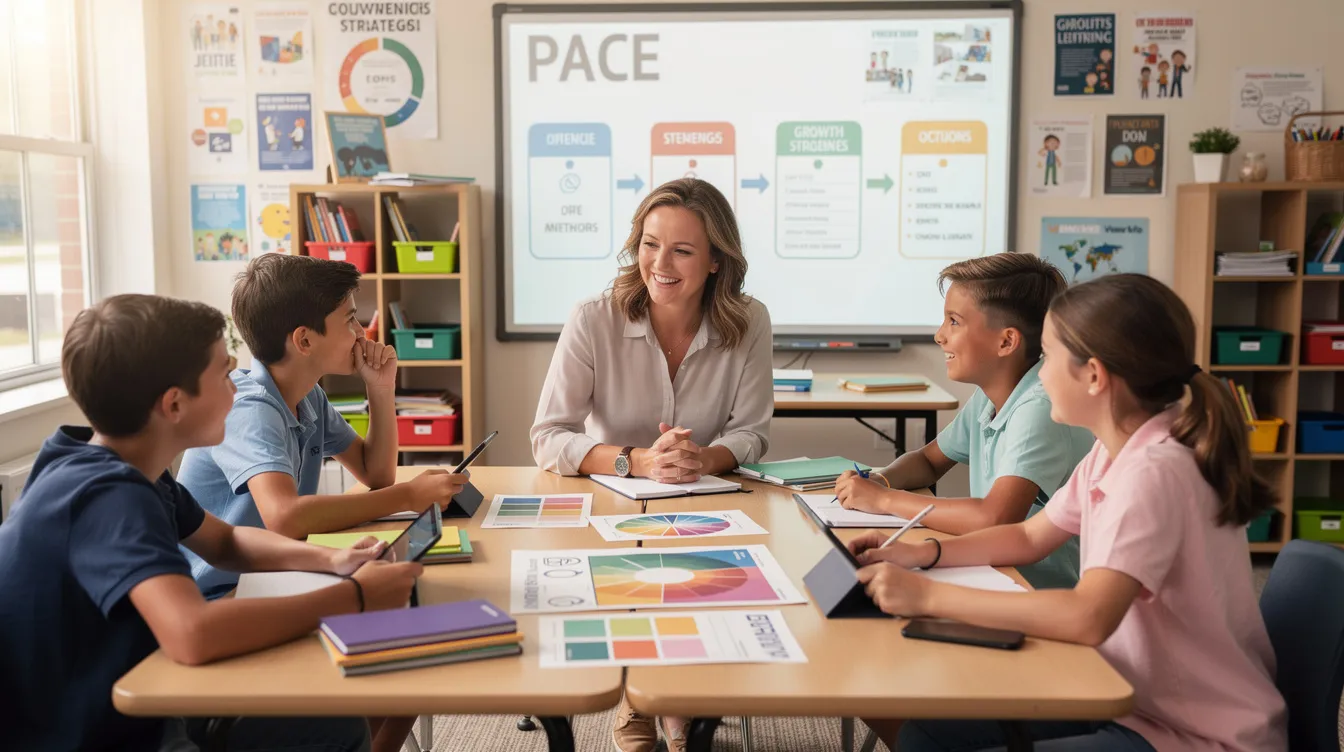
Implementing PACE teaching strategies offers numerous benefits for pupils, fostering emotional safety and allowing children to manage their emotions and behaviors more effectively. In a PACE environment, pupils report feeling more valued and understood, which contributes to their overall sense of safety and well-being. This supportive atmosphere encourages children to explore their feelings and connect with peers, enhancing their social and emotional development.
The PACE method supports pupils’ emotional regulation and improves their behavior, creating a positive impact on learning. Many educators have observed a decrease in behavioral issues due to the positive environment fostered by PACE teaching methods, closely aligning with strategies for creating a positive classroom culture. This improvement in behavior leads to better learning outcomes and increased pupil engagement. The supportive environment created by PACE also helps pupils learn how to stay safe in their relationships and interactions, building social confidence and understanding boundaries. By utilizing the PACE framework, educators can help traumatized pupils experience healing and personal growth, enhancing their academic potential.
Implementing PACE strategies has been linked to improved academic performance, with pupils showing higher grades and better retention of information. The supportive and engaging environment created by PACE teaching encourages personal growth, which can lead to significant improvements in academic performance. Overall, PACE teaching provides a holistic framework that addresses the emotional and academic needs of pupils, fostering a positive and effective learning experience.
Behaviour Management Strategies
Managing challenging behaviour in the classroom or at home can be daunting, but the PACE approach offers practical strategies that prioritize connection over correction. Instead of reacting with an irritated or lecturing tone, adults are encouraged to approach behaviour with curiosity and empathy, seeking to understand the feelings driving a child’s actions.
Practical strategies rooted in the PACE approach include using playfulness to diffuse tension, accepting a child’s emotions without judgment, and exploring the reasons behind behaviours together. For example, when a student acts out, an educator might gently ask, “I wonder if you’re feeling frustrated because this task is hard?”—opening the door for honest communication and emotional regulation.
Behaviour management is most effective when it focuses on helping children develop self-awareness and self-regulation skills. Teaching children to recognize and name their emotions, offering choices, and modeling calm responses all contribute to a supportive environment where trust can flourish while avoiding common teacher behaviours that undermine a positive classroom. By building strong relationships and consistently applying these strategies, educators and parents can help children feel understood, supported, and empowered to make positive choices.
Implementing PACE Strategies in Schools

Implementing PACE strategies in schools requires a thoughtful and comprehensive approach. Enrolling in a dedicated course on PACE strategies can provide educators with practical tools and a deeper understanding of trauma-informed practices, supporting effective implementation, as outlined in mastering PACE teaching with effective educator strategies. It emphasizes the importance of nurturing safe relationships in educational settings, especially for children who have faced trauma. Maintaining varied pacing in lessons is crucial to keep students engaged and prevent them from losing focus.
Teachers should consider incorporating pauses for reflection and using time limits and verbal prompts to enhance classroom dynamics. Feedback from students about the pace of instruction can inform adjustments to lesson planning for improved learning experiences, avoiding a lecturing tone.
Assigning roles during group activities, such as a timekeeper, can help maintain effective pacing and ensure all students stay engaged. Adopting these strategies helps schools create a more supportive and effective learning environment that aligns with the principles of the PACE approach.
Training and Professional Development for Teachers
Training and professional development are essential for successfully implementing PACE strategies in schools. PACE training enables professionals to provide therapeutic care to children with complex needs, equipping educators with the necessary skills to support diverse student populations. Training in the PACE approach enhances teachers’ understanding of trauma-informed care, which is crucial for supporting students who have experienced trauma.
Ongoing professional development ensures that educators can reflect on their biases and communication methods, continually improving their approach to teach students. Exploring essential books for teachers on understanding students’ needs can further deepen this reflective practice. Humor can be a powerful tool in education, helping to alleviate anxiety and build connections with students. Investing in ongoing PACE training and professional development ensures that teachers are well-equipped to meet the needs of all students.
Creating a Safe Space in the Classroom
Creating a safe space in the classroom is a fundamental aspect of the PACE approach. The PACE mindset emphasizes building nurturing and trusting relationships with children who have experienced trauma, positively influencing their motivation and engagement in learning. Establishing trust-based relationships through PACE cultivates stronger connections between educators and students, promoting a supportive classroom atmosphere.
Non-verbal cues play a crucial role in conveying acceptance, often more impactful than verbal communication. Communicating unconditional acceptance of feelings without judgment is essential for children’s emotional safety, helping them feel valued and understood.
By creating a safe space in the classroom, teachers can foster a sense of safety and belonging, essential for students’ emotional and academic success while building safe environments.
Transdisciplinary Teams and Collaboration
Supporting children with complex needs often requires more than one perspective. Transdisciplinary teams—where educators, therapists, and parents work together—are key to providing comprehensive, coordinated care. The pace approach values this collaboration, recognizing that sharing knowledge and expertise, alongside strong teacher authority built on respect and warmth, leads to a deeper understanding of each child’s needs.
When professionals from different backgrounds come together, they can pool their key skills in emotional regulation, behaviour management, and communication. Regular meetings and open communication ensure that everyone is on the same page, providing consistent support for the child across all environments. This collaborative approach not only benefits the child but also enhances professional development for everyone involved, as team members learn from each other and refine their practice.
Parents play a vital role in these teams, offering insights into their child’s life and helping to bridge the gap between home and school. By working together, transdisciplinary teams create a supportive environment where children can develop the confidence and skills they need to navigate challenges and succeed in both academic and social settings.
Case Studies: Success Stories from PACE Teaching

Real-life examples of PACE teaching highlight its transformative impact on students and families. One case study involves a parent named Sarah, who improved her son Alex’s emotional regulation by incorporating playful activities and validating his feelings, leading to healthier emotional expression.
Another example features Mark, a parent of two teenage daughters, who enhanced their bond by organizing family game nights, fostering a positive atmosphere and improving communication. Jessica, another parent, helped her son Ethan develop conflict resolution skills by using playful activities and encouraging open communication, resulting in improved confidence and problem-solving abilities, all of which contribute to developing positive relationships and a child’s skills that they have learnt through practice. Young people can benefit greatly from these experiences, especially when guided by an adult, even if they are a troubled child, as long as they are not going down the wrong path.
These success stories illustrate how PACE teaching can transform classroom dynamics and improve student outcomes by leveraging real-life experiences. They serve as powerful examples of the positive impact of the PACE approach.
Common Challenges and Solutions in PACE Teaching
Implementing PACE strategies can present challenges, such as resistance from students who are unfamiliar with new teaching methods. Another common challenge is the lack of resources and training for teachers, which can lead to ineffective implementation of PACE strategies. Addressing these challenges requires providing comprehensive training and support materials for teachers, ensuring they feel equipped to implement PACE strategies confidently.
Creating a collaborative environment where teachers can share experiences and strategies can also help overcome difficulties in implementing PACE. Encouraging perseverance and a growth mindset among educators can help them push through initial challenges and successfully implement PACE strategies.
Addressing these challenges helps schools create a more supportive and effective learning environment for all students.
In conclusion, PACE teaching offers a transformative approach to education that focuses on the whole child, fostering emotional safety and academic success. By incorporating the core principles of Playfulness, Acceptance, Curiosity, and Empathy, educators can create a supportive and engaging learning environment that benefits both students and teachers. The PACE approach not only improves emotional regulation and behavior but also enhances academic performance and personal growth.
The success stories and practical strategies highlighted in this blog post demonstrate the positive impact of PACE teaching. By investing in PACE training and creating safe classroom spaces, schools can ensure that all students have the opportunity to thrive. Let’s inspire a new generation of educators to adopt PACE strategies and transform the future of education.
What does PACE stand for?
PACE stands for Playfulness, Acceptance, Curiosity, and Empathy, which fosters a nurturing and engaging atmosphere for learning. Embrace these principles to transform your interactions and enhance your growth!
How does PACE teaching benefit students?
PACE teaching benefits students by fostering emotional safety and improving behavior, which leads to enhanced academic performance and personal growth. Embracing this approach can empower students to thrive both academically and emotionally!
What are some challenges in implementing PACE strategies?
Implementing PACE strategies can be challenging due to student resistance and insufficient teacher resources. However, with thorough training and a supportive atmosphere, these obstacles can be effectively tackled—let’s not shy away from making this positive change!
How can teachers create a safe space in the classroom?
Creating a safe space in the classroom starts with building trust and conveying acceptance through consistent positive interactions. By ensuring every student feels understood and valued, you foster an environment where everyone can thrive.
What kind of training do teachers need for PACE teaching?
Teachers require PACE training focused on therapeutic care, trauma-informed practices, and self-reflection on biases to effectively support their students. Embracing ongoing professional development empowers teachers to make a lasting impact in their classrooms!
Conclusion and Next Steps
The PACE approach offers a powerful framework for supporting children who have experienced trauma or attachment difficulties, helping them build the skills and resilience needed for life. By deepening our understanding of child development, applying effective behaviour management strategies, and embracing collaboration through transdisciplinary teams, educators and parents can create environments where every child feels safe, valued, and ready to learn.
The next steps are all about putting these principles into practice in everyday interactions—whether in the classroom, at home, or within professional teams. Ongoing professional development and reflective practice are essential, giving educators and parents the tools and confidence to adapt their approach as children grow and change. Sharing experiences, seeking feedback, and staying curious about what works best will ensure that the PACE approach continues to evolve and meet the needs of all children.
Together, by supporting each other and the children in our care, we can foster environments where every child has the opportunity to thrive—academically, emotionally, and socially, a goal shared by Impact Teachers in their work empowering educators across the UK.